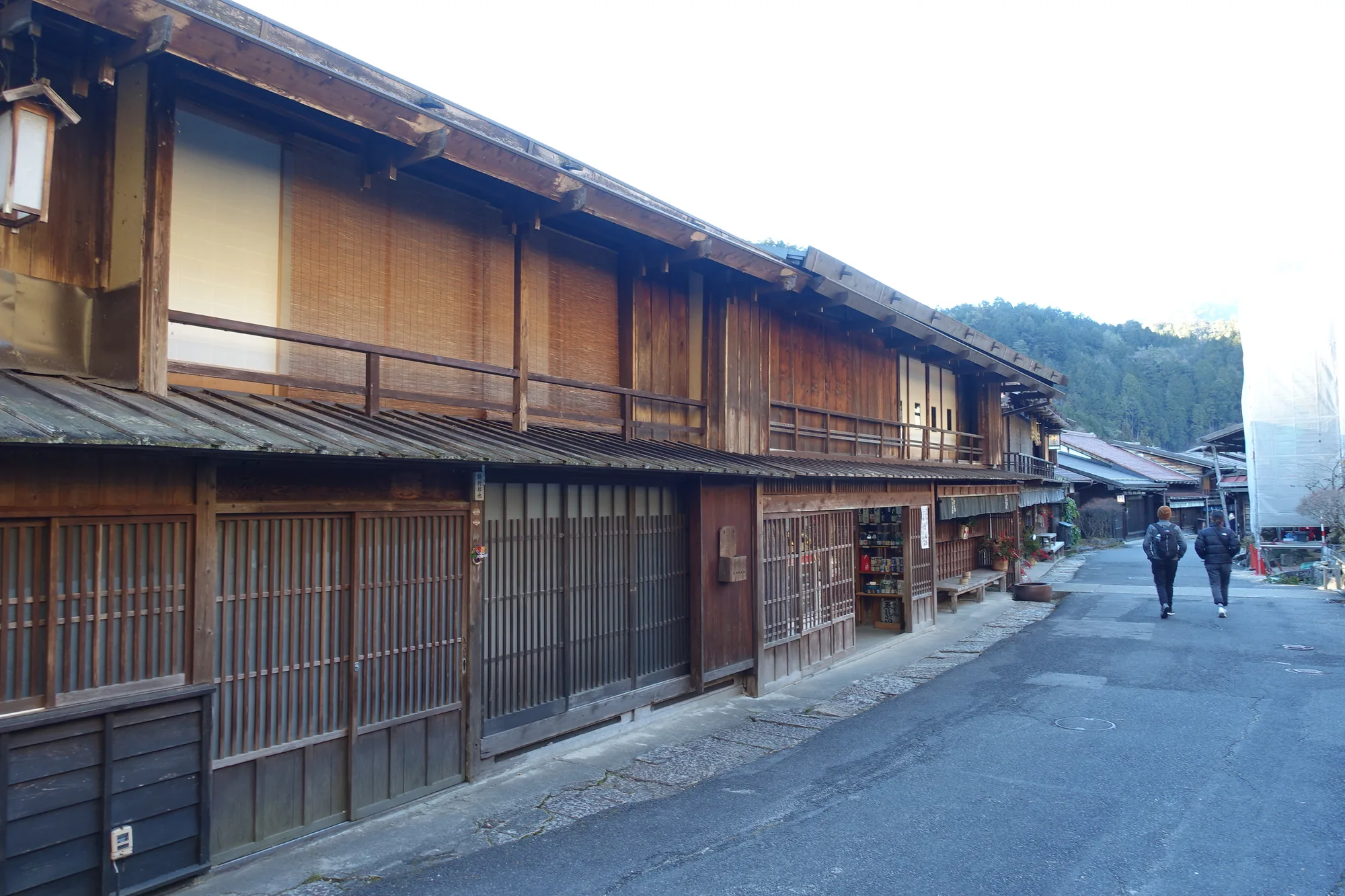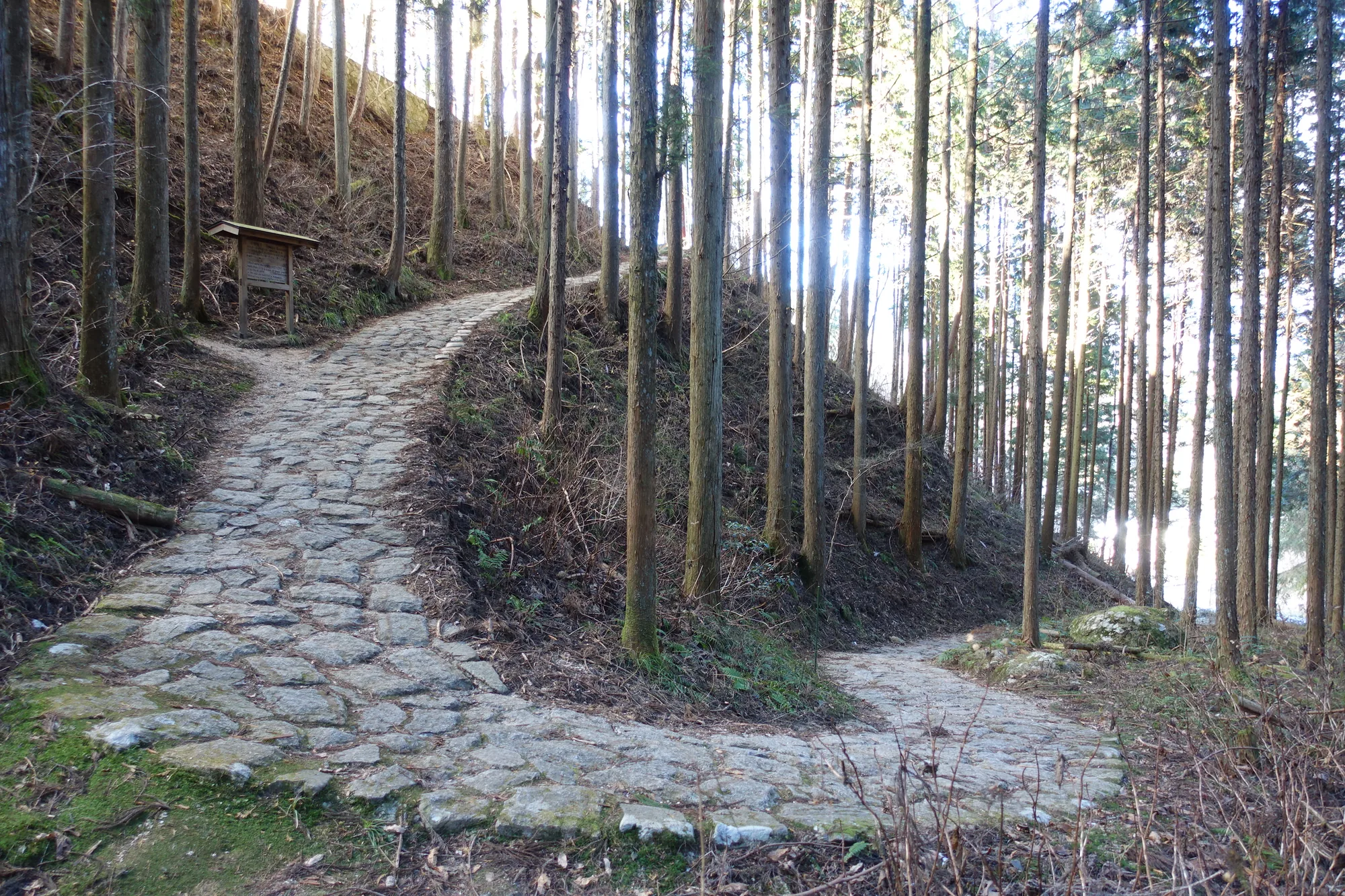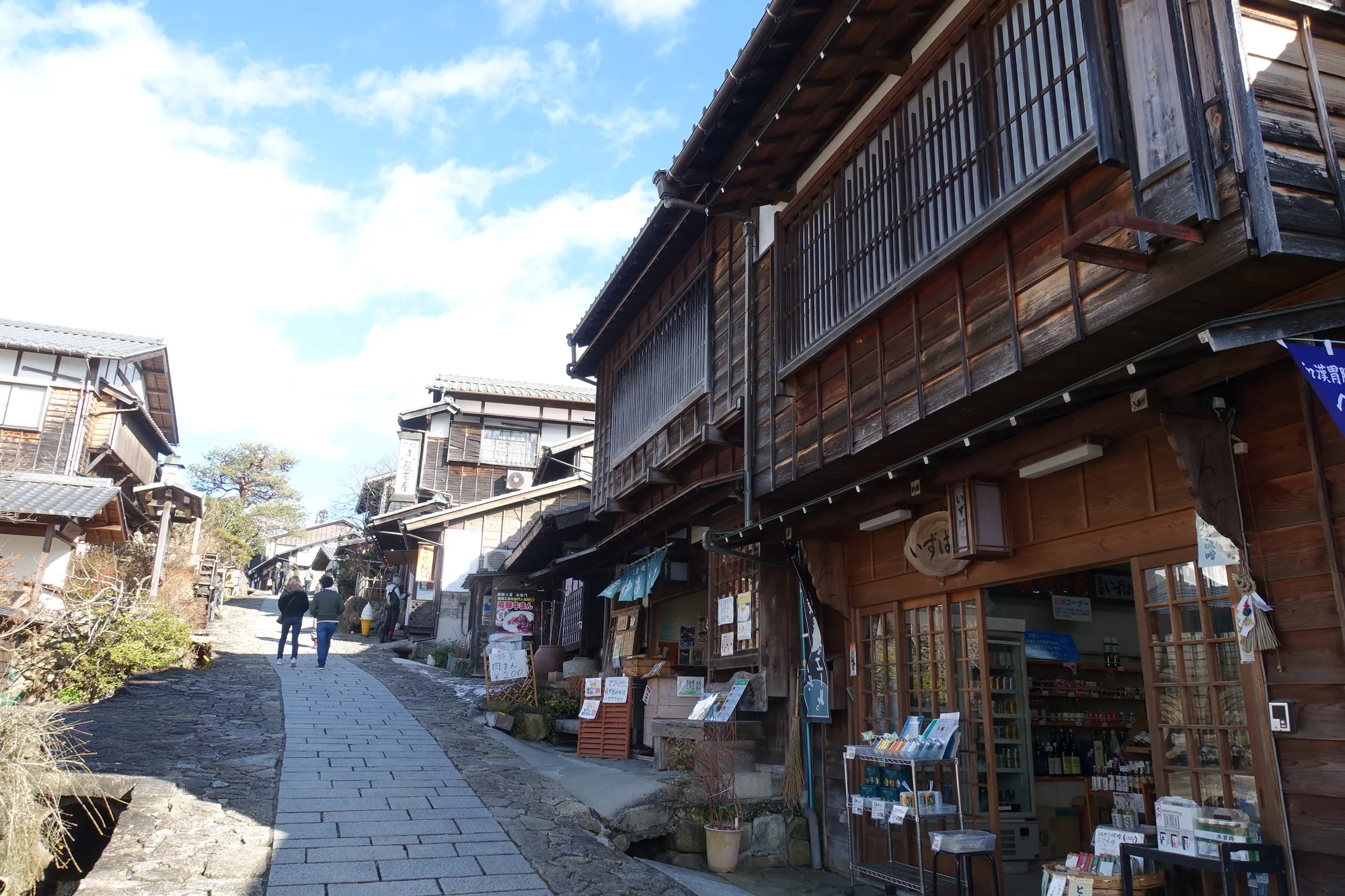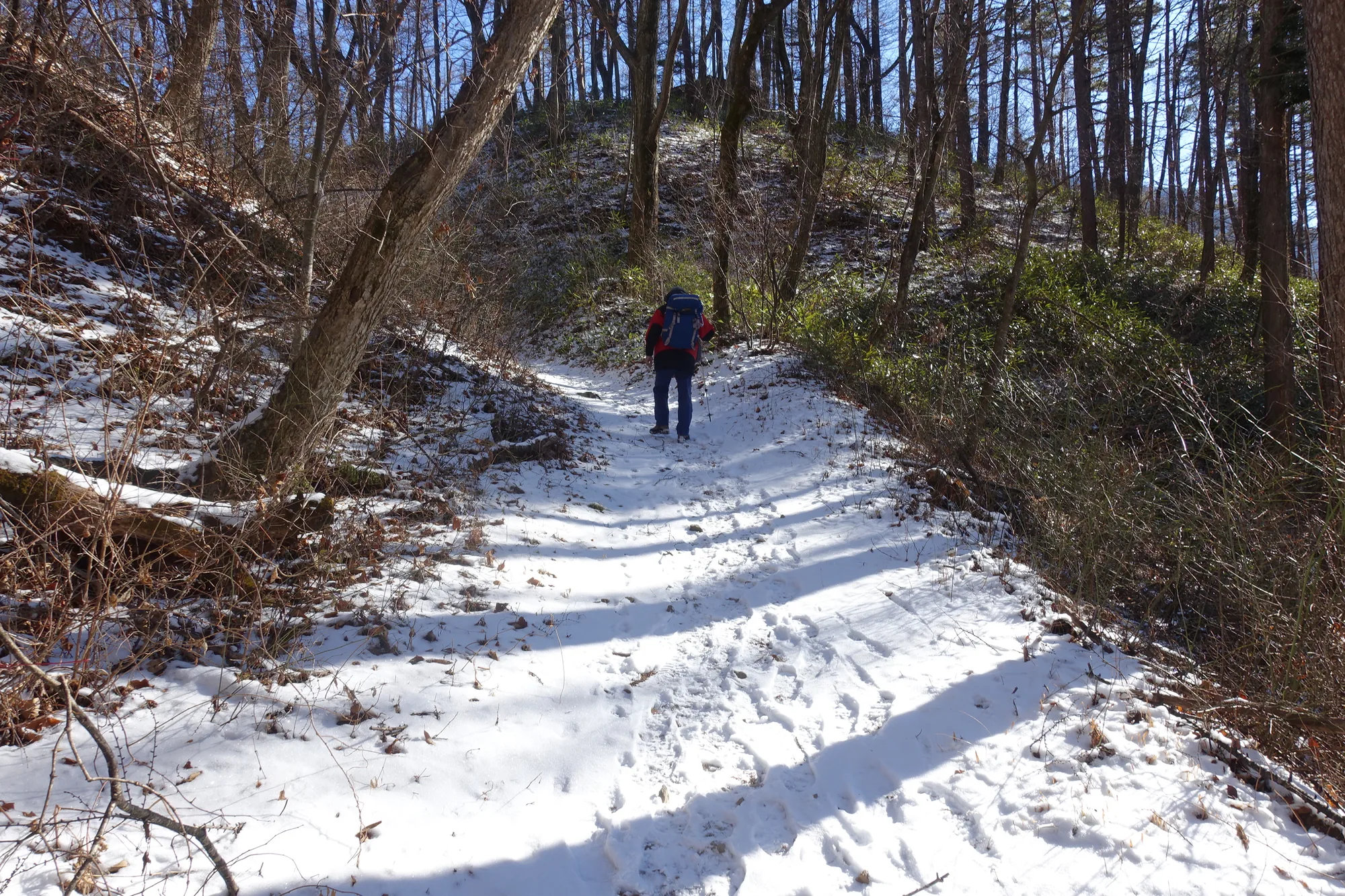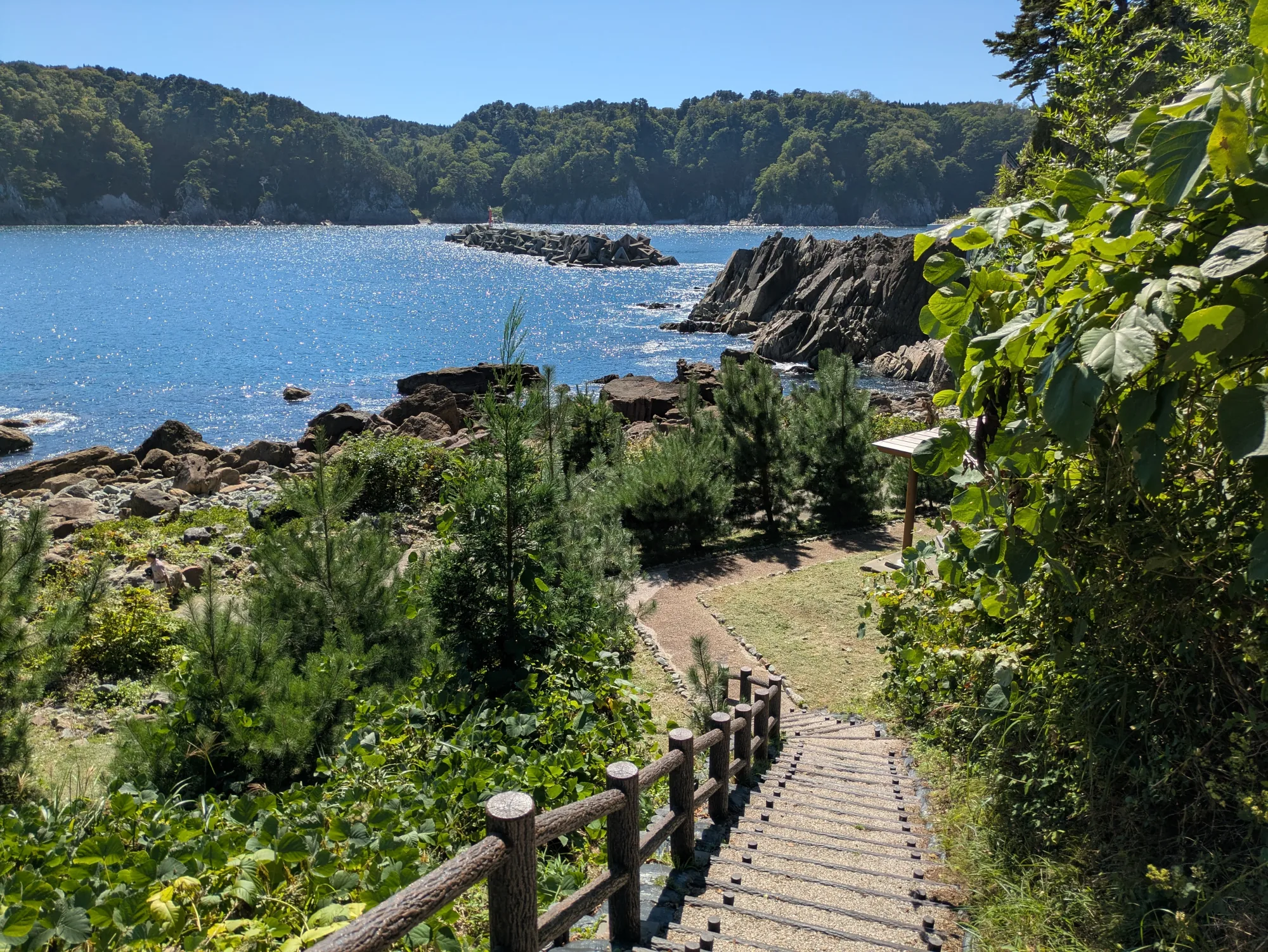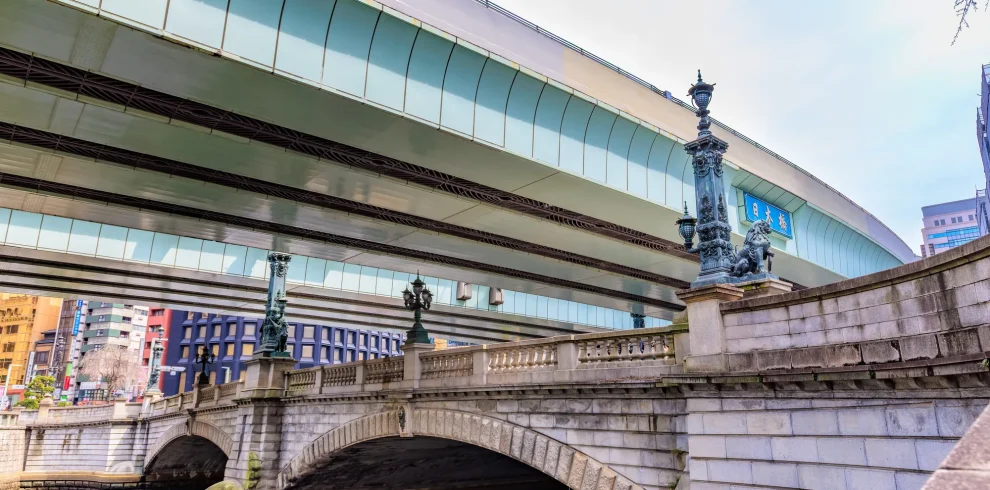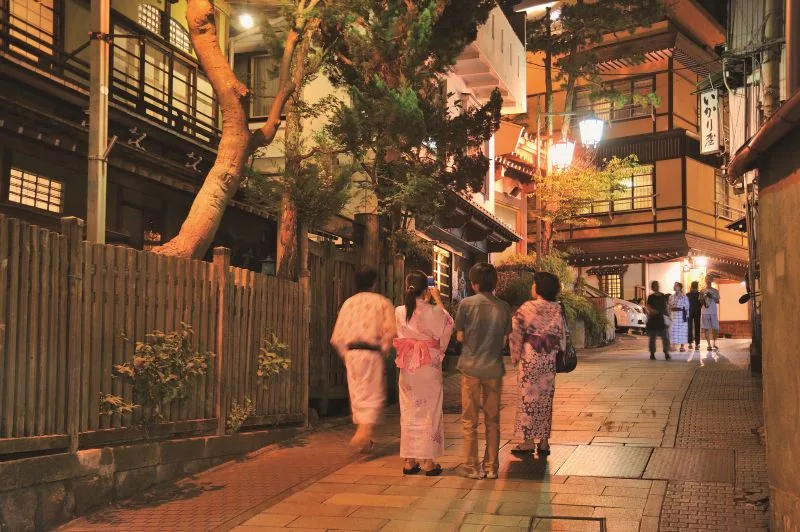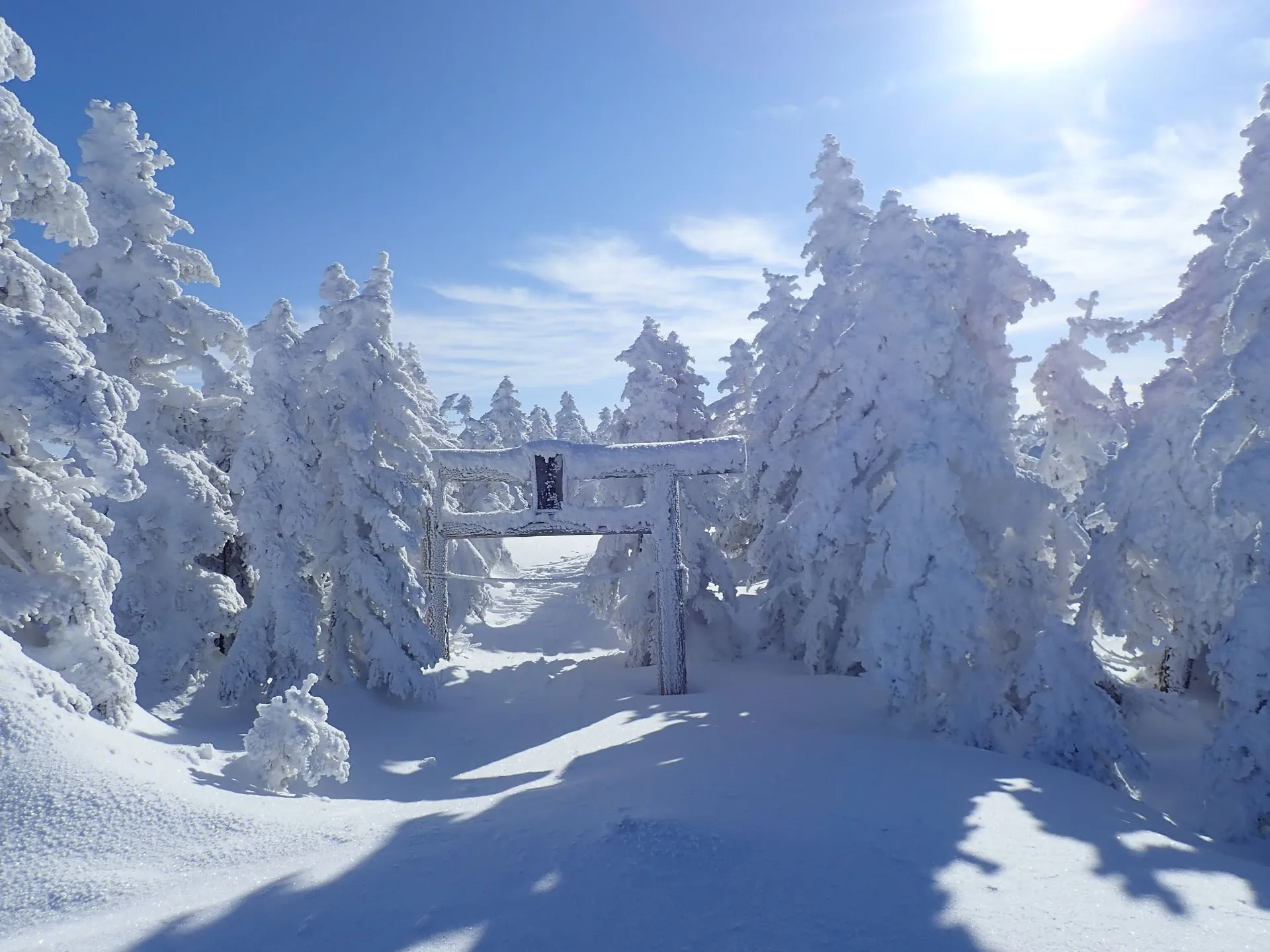
Exploring the San’in region, where founding myths still live on and where key figures of the modern nation emerged, offers a glimpse into Japan’s present-day countryside.
Itinerary
-1024x682.jpeg)
From Okayama Station, located between Kyoto and Hiroshima, take the Limited Express Yakumo to the water city of Matsue.
In Matsue, visit Matsue Castle, one of Japan’s twelve surviving castle towers preserved in its original 400-year-old form and designated a National Treasure, a beautiful example of Japanese castle architecture.
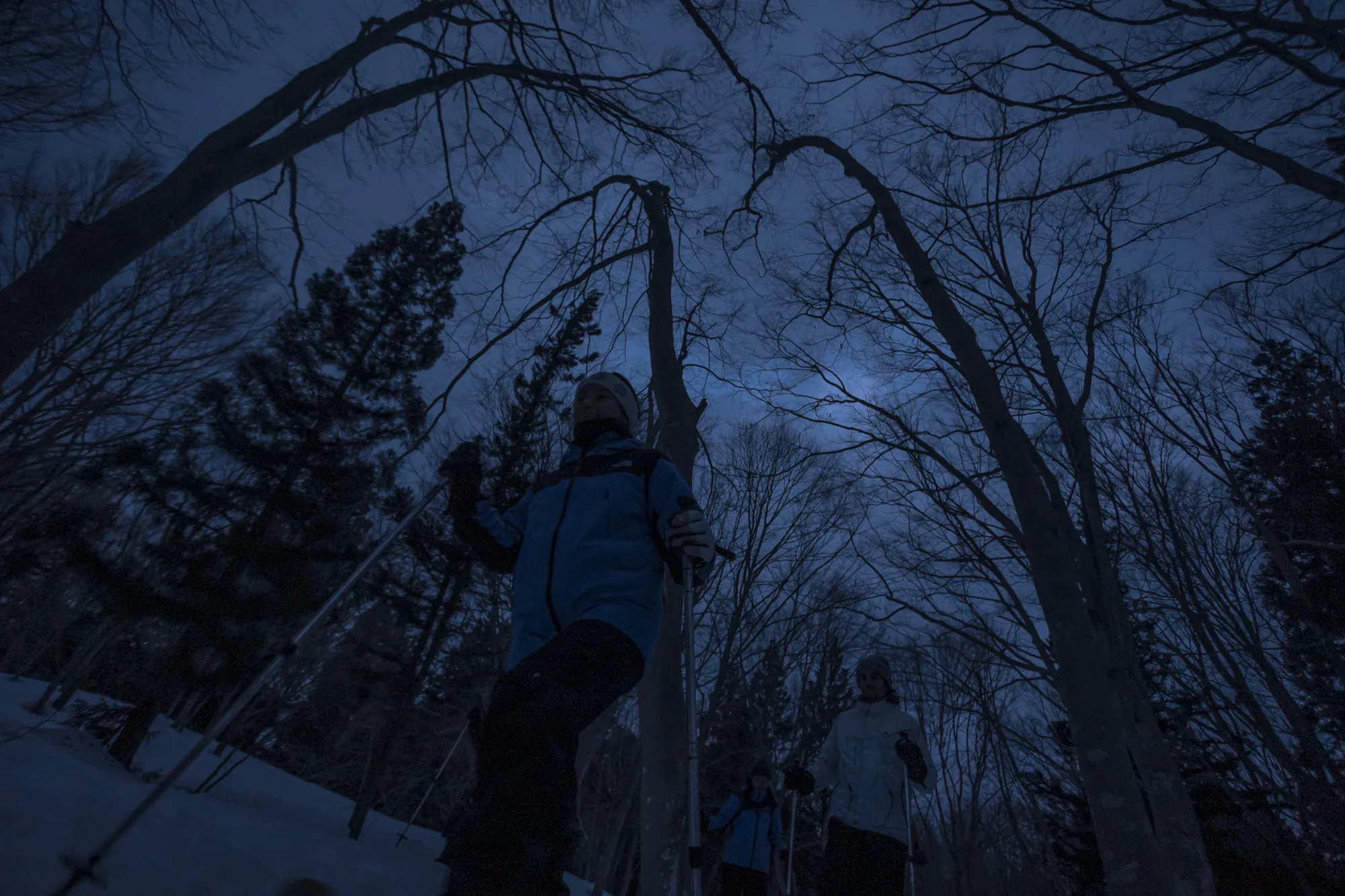
At night, join a ghost story tour through the darkened streets. Inspired by Lafcadio Hearn’s “Kwaidan” (a collection of ghost stories and tales of supernatural phenomena and terrifying local legends preserved in Japan), written during his time living in Matsue, you’ll walk through nighttime Matsue and experience the thrill.
*The limited express train is named after Lafcadio Hearn (Koizumi Yakumo in Japanese), a writer who lived in Matsue and was one of the first to introduce Japanese culture to Western society in the 1890s.
Stay at a hotel in Matsue City.
-1024x576.jpeg)
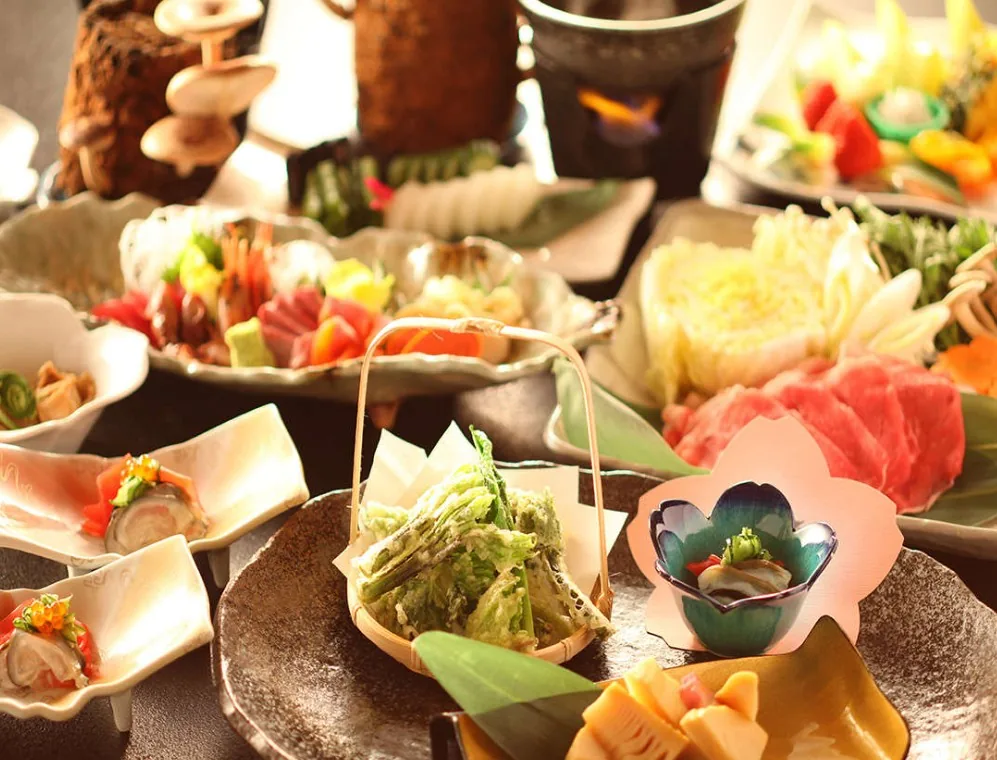
This region is famous as the setting for Japanese mythology (ancient stories of Japan’s founding). We trace the source of the Hii River, deeply connected to these myths, and climb Mt. Sentsu. After a short hike to breathe in the fresh air of the San’in region and refresh yourself, visit the Adachi Museum of Art, consistently ranked the world’s finest Japanese garden for over 20 years by the Journal of Japanese Gardening. Experience the essence of Japanese art by encountering the culture of wabi-sabi and the aesthetics of borrowed scenery. At your lodging, enjoy an evening banquet featuring the local traditional performing art, the Yasugi Bushi, with its songs and comical dances.
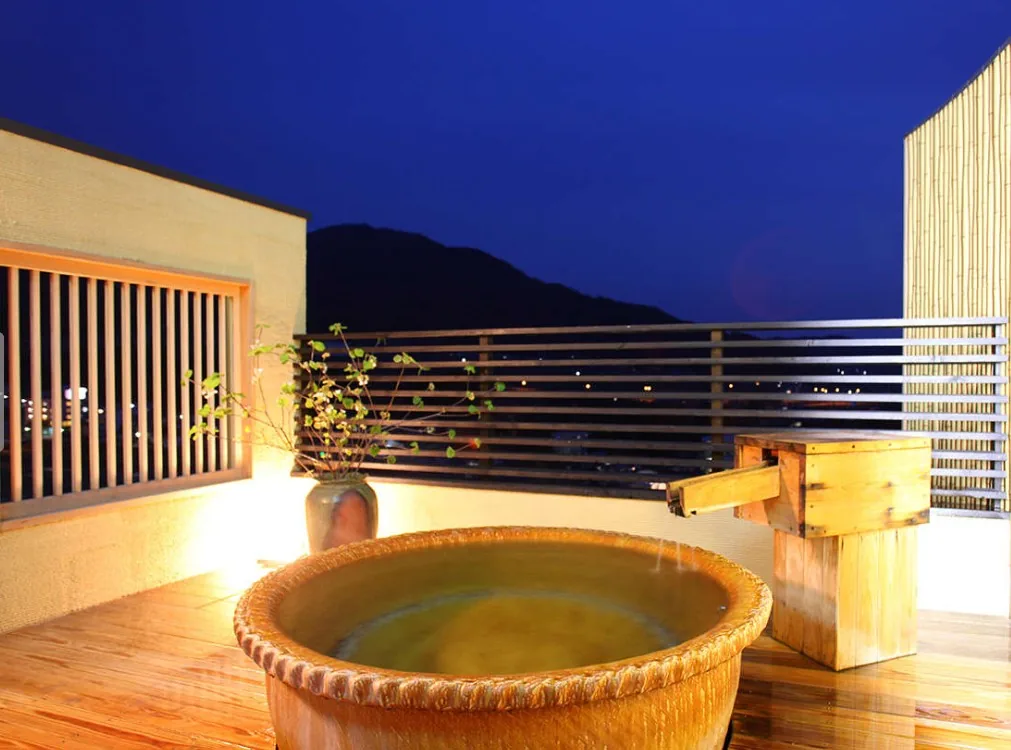
Stay at a Ryokan in Yasugi City.
Mt.Sentsu Hiking
Loop trail: Toriami Falls Trailhead – Mt. Sentsu – Kameishi Trailhead
Summit elevation: 1142m
Distance:approx. 8.5km
Duration:approx. 4~5hrs
Total ascent:615m / Total Descent:615m
Activity level:Level 2
Technical level:2
-1024x768.jpg)
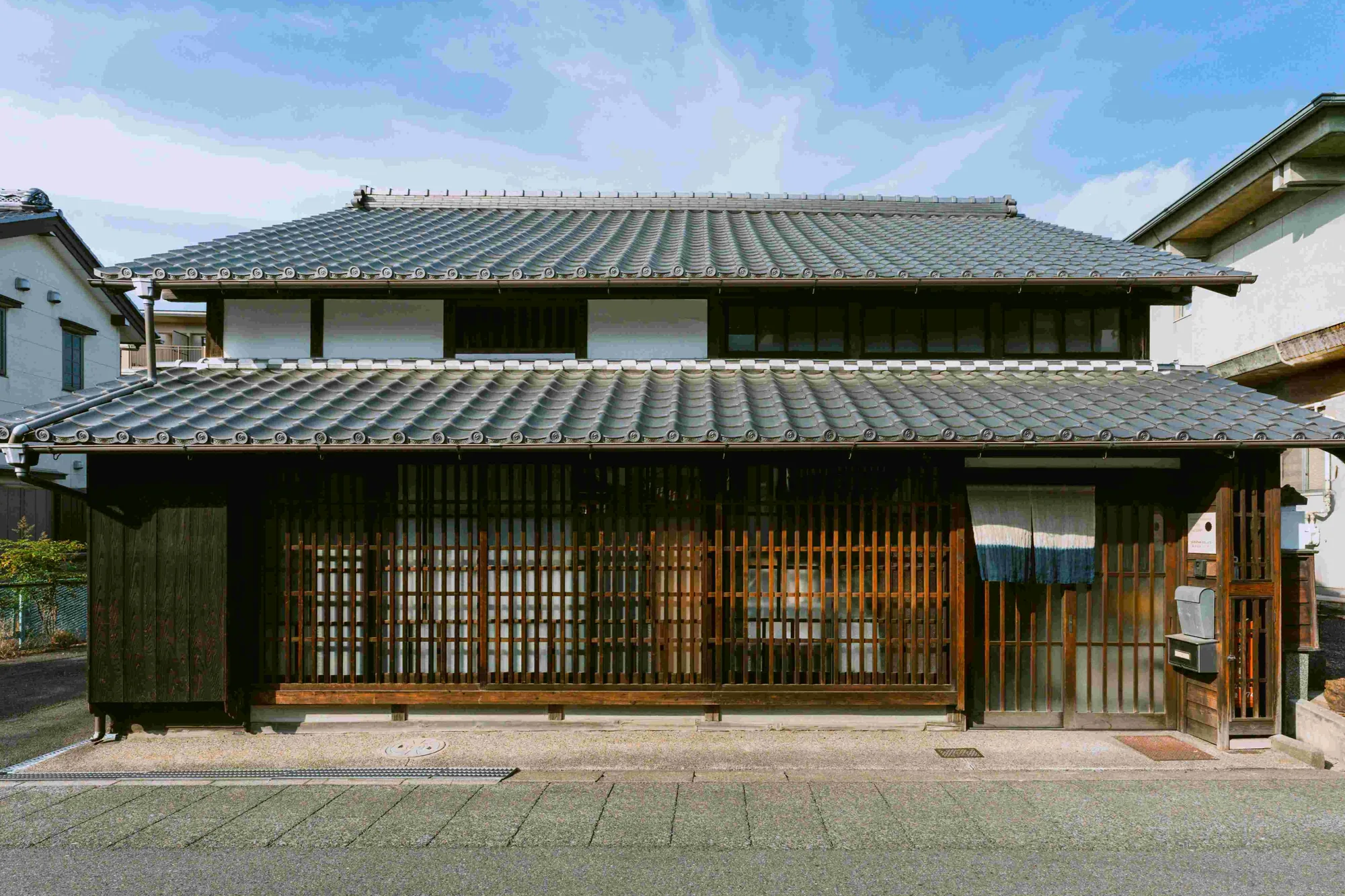
Experience firsthand the beauty of a traditional thatched-roof farmhouse by the shores of picturesque Lake Shinji. Through hands-on involvement in renovating this over 120-year-old Japanese house—a structure that embodies the charm of Japan’s beautiful countryside—you’ll joyfully discover the spirit of Japanese artistry, the craftsmen’s dedication to architecture, and the essence of sustainability. Afterwards, visit Izumo Taisha Grand Shrine, one of Japan’s two most important shrines, where deities playing pivotal roles in Japan’s founding history are enshrined. We then move to the small fishing village settlement of Sagiura, strolling through the streets to immerse ourselves in the atmosphere of a beautiful rural fishing town. That night, we stay at Wajimaya, a beautifully renovated former abandoned traditional house repurposed as lodging. We also enjoy a conversation with the local carpenter, the inn’s owner, who has an American father, was involved in renovating this inn, and deeply loves Japanese architecture.

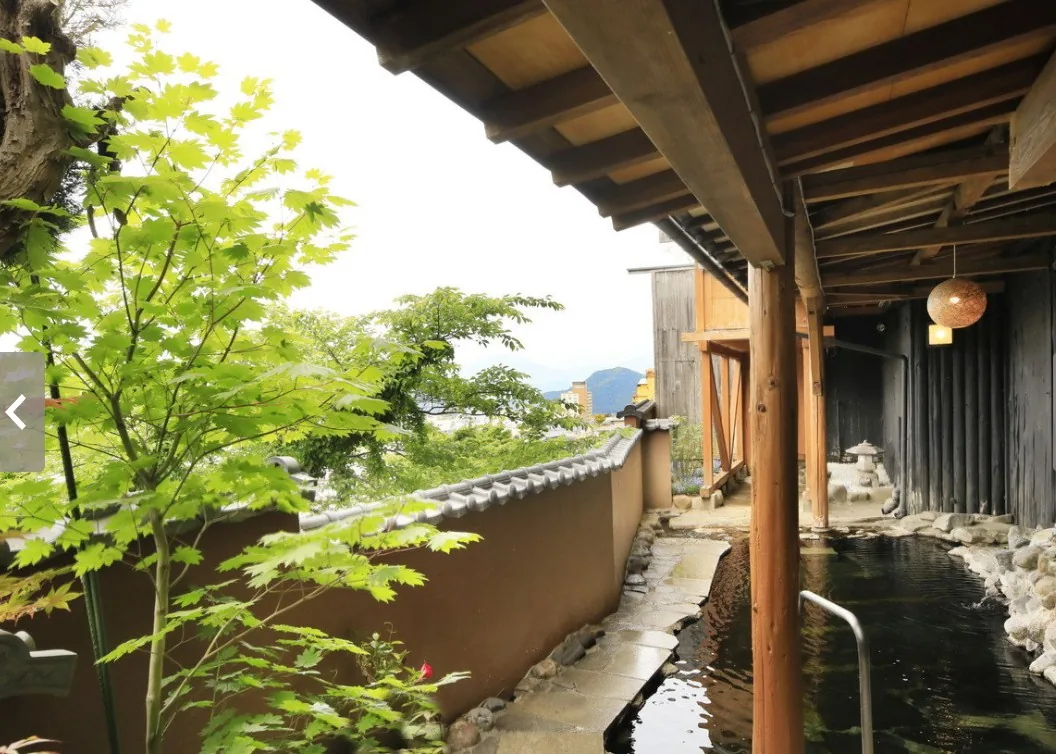
The Ginzan Kaido is a historic trade route connecting the World Heritage-listed Iwami Ginzan Silver Mine to its shipping port. We’ll walk part of this route linking the Sea of Japan and the Seto Inland Sea. Bamboo groves and natural half-pipes along this ancient path, once traveled by our ancestors, add variety to the course and delight walkers. The Omori settlement is a town that once prospered thanks to the silver mine. We’ll wander through the town, take an electric cart to the entrance of the mine shafts (kan-do), and then enter the tunnels where silver was once mined to walk through them. In the evening, we’ll enjoy the hot springs in Yunotsu, the premier hot spring town in the region. Then, we’ll experience Iwami Kagura, the traditional dance dedicated to the gods and the region’s greatest identity, performed at night in the shrine’s Kagura Hall.
Stay at a Ryokan in Yunotsu.
Ginzan Kaido Hiking
Ginzan Kaido – Yanashio Path
Summit elevation: 280m
Distance: approx. 7.2km
Duration: approx. 5hrs
Elevation Gain: Approx. 200m
Activity level: Level 3
Technical level: Level 2

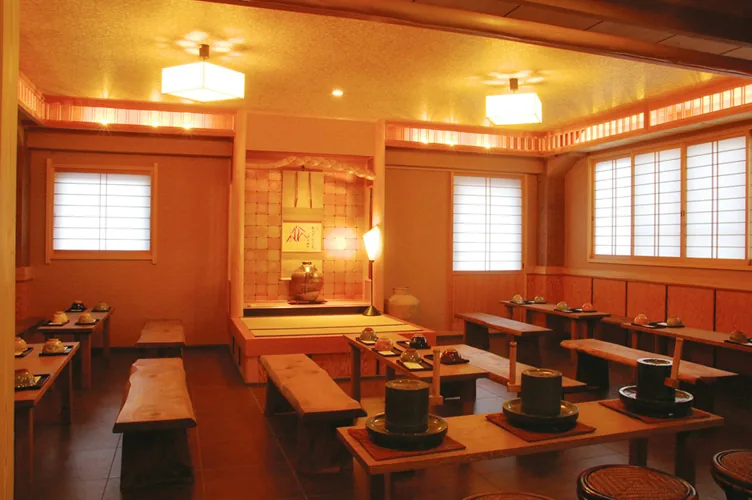
Tsuwano, a small castle town, is the jewel of San’in. After enjoying zazen meditation while gazing at the Japanese garden of a temple in this beautiful town and experiencing a local cooking class, we pass through Taikodani Inari Shrine and climb the hill to Tsuwano Castle, where we enjoy a short ridge hike. The view from the hilltop, where Tsuwano’s townscape, unified by its brown tiles, contrasts with the surrounding mountains, offers a uniquely beautiful “Little Kyoto” vista characteristic of this region. Furthermore, this area is a unique town where three famous religious sites—Buddhist, Shinto, and Christian—coexist harmoniously.
Stay at a Ryokan in Tsuwano City.

On this day, we’ll enjoy a cycling tour themed around sake in the outskirts of Hagi. This experience follows the process of sake being made from rice by bicycle, allowing you to appreciate sake even more. Afterwards, it’s time for a farm stay experience. By staying overnight with a local family, you’ll get a taste of authentic rural Japanese home life.

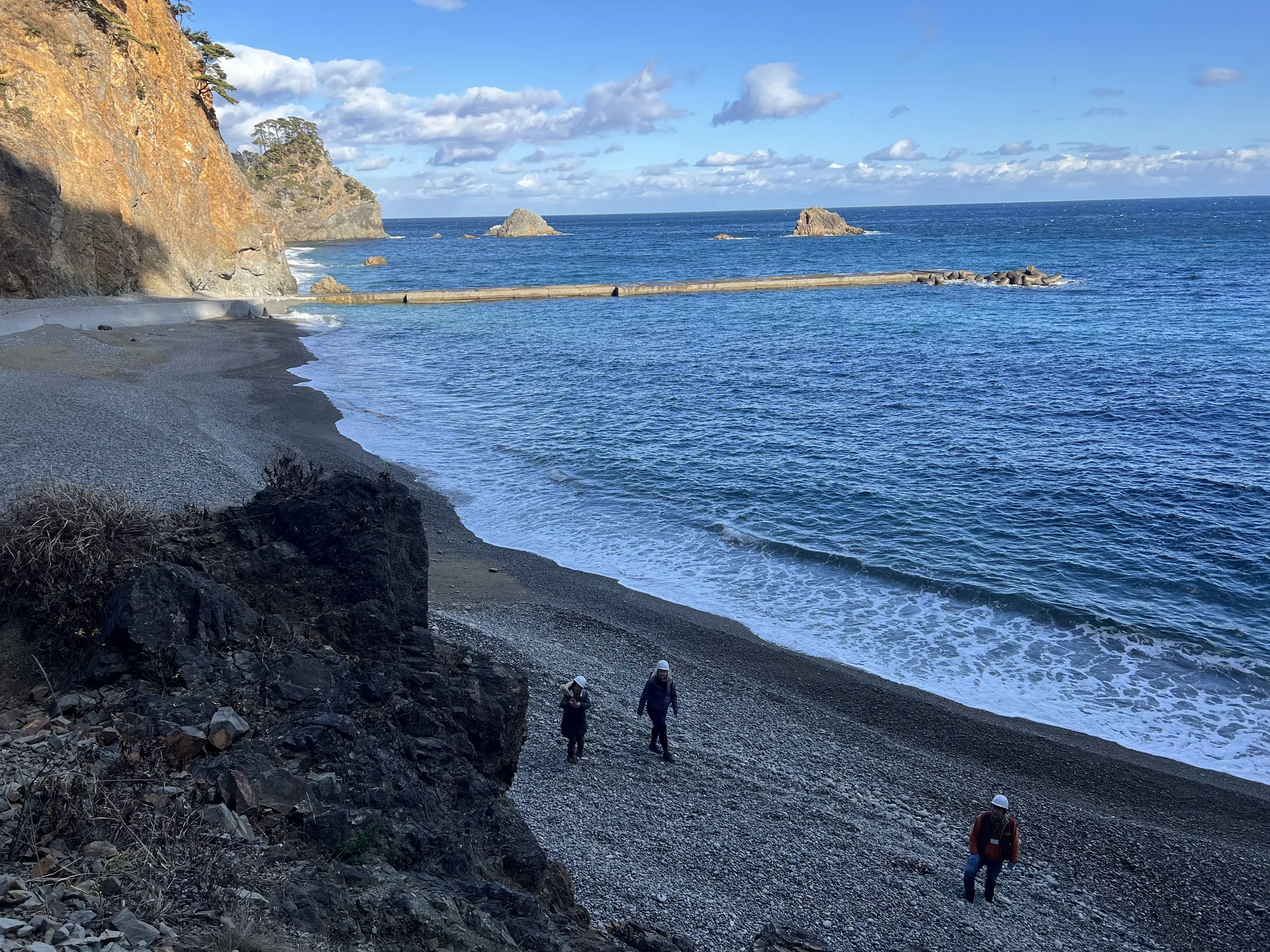
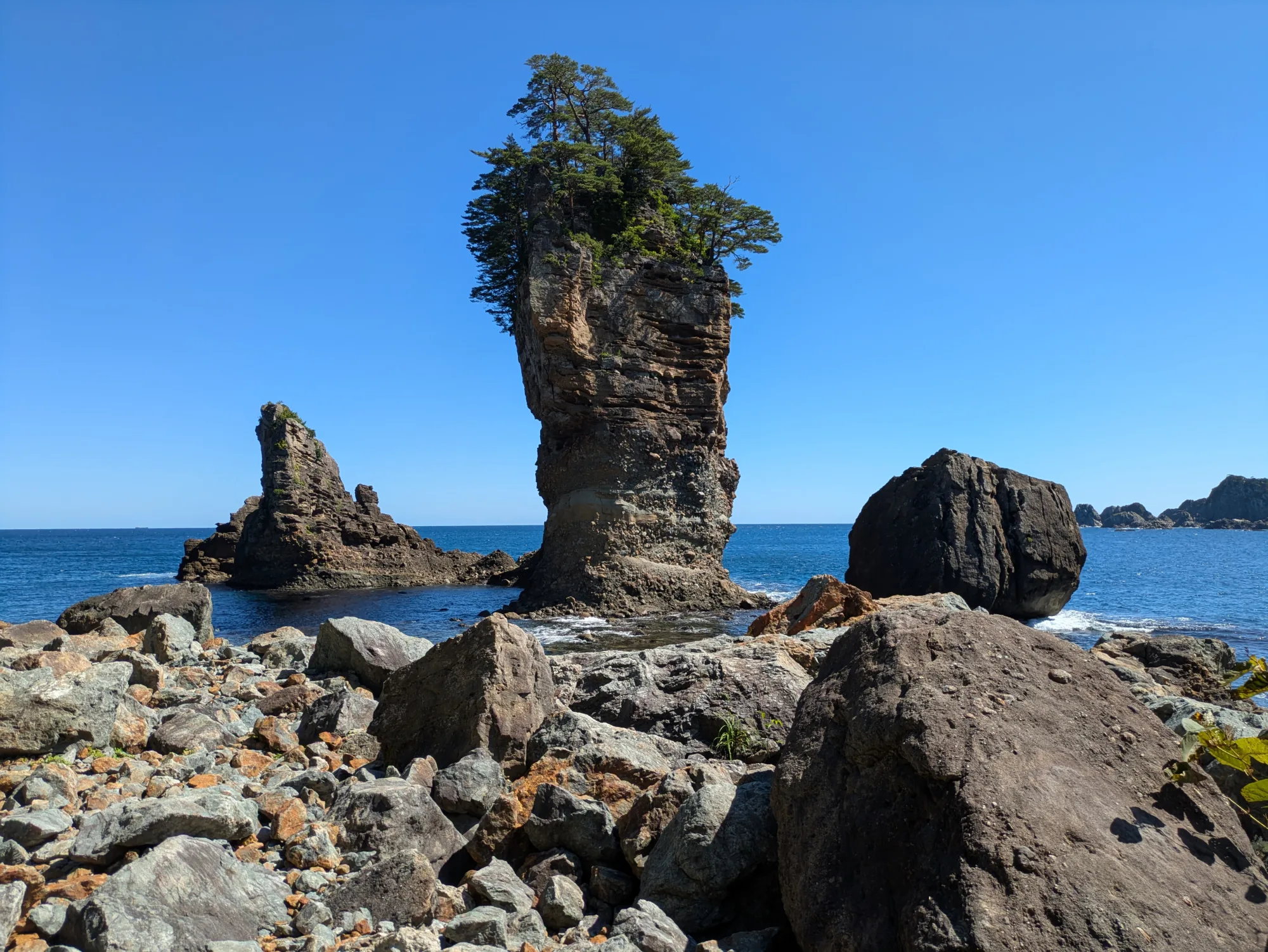
After experiencing local culture at a farmstay home, enjoy hiking Mt. Kasayama, known as the “world’s smallest volcano” and “Japan’s lowest volcano.” The coastal trail features a grove of camellia trees, offering a fantastical walking experience. In the afternoon, freely explore the World Heritage-listed town of Hagi. Recommended spots include Hagi Castle, the castle town, Kikugahama Beach, Tokoji Temple, Aiba River, and Hamazaki. The evening hot spring experience promises to be truly special.
Stay at a Ryokan in Hagi City.
Mt.Kasayama Hiking
Hiking through the Camellia Forest on Mt. Kasayama
Distance: approx. 6km
Duration: approx. 2hrs
Elevation:112m
Activity level: Level 3
Technical level: Level 2

Hagi is the city that produced Japan’s highest number of prime ministers—four in total. This is because it was the city where the young samurais who ended the old samurai world ruled by shoguns through revolution and established a modern nation modeled on Western society were raised. We walk the ancient Hagi Okan trail, once trodden by those patriots. We stroll along this samurai trail, where centuries-old stone pavements remain beautifully preserved, feeling the local nature. Hagi is also famous for its pottery. We visit a local resident who serves as a guide and also runs a pottery kiln.
Stay at a Ryokan in Hagi City.

We visit Yamaguchi, selected by The New York Times as one of “52 Places to Go in 2024.” We witness the beautiful Japanese garden at Jōei-ji Temple and the five-story pagoda at Rurikō-ji Temple, a National Treasure. This area is also famous for Yuda Onsen hot springs, where we soothe our tired bodies and minds.
Stay at a Ryokan in Yuda Onsen.
After breakfast, the tour concludes at Yuda Onsen. Shin-Yamaguchi Station, where the Shinkansen train departs, is close to the town of Yuda Onsen.
This itinerary is subject to change


-1024x688.jpeg)
-1024x683.jpg)