Winter on the Kii Peninsula. When December arrives and the powerful northwest winds begin to blow, my heart starts to stir. “That season of swirling fervor and divine frenzy is coming once again.”
Deep within the World Heritage site of Kumano, in Shingu City, lies the Oto Matsuri It transcends the mere framework of a traditional event; it is a sacred ritual (shinji) that harbors a tremendous energy, touching the very origins of the Japanese spirit.
The “Source of Japanese Religion” Dating Back to Before Buddhism’s Arrival
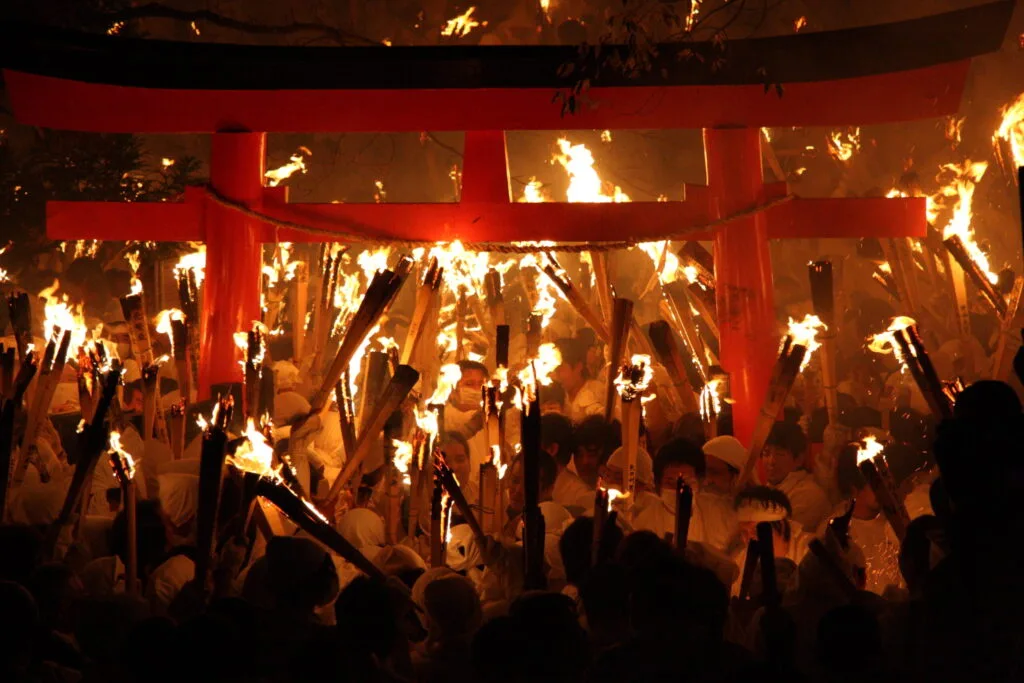
Recent research has proposed the theory that “the Kii Peninsula is the cradle of Japanese religion.” Here in Shingu, long before Buddhism crossed the sea, a primitive faith deeply revering stones, mountains, and nature itself remains strongly preserved.
The purest crystallization of this spirituality is the “Oto Matsuri” The flame, kept burning uninterrupted for 1,400 years, embodies the very identity of this land.
The Tolerance of Shugen: A Path That Welcomes All
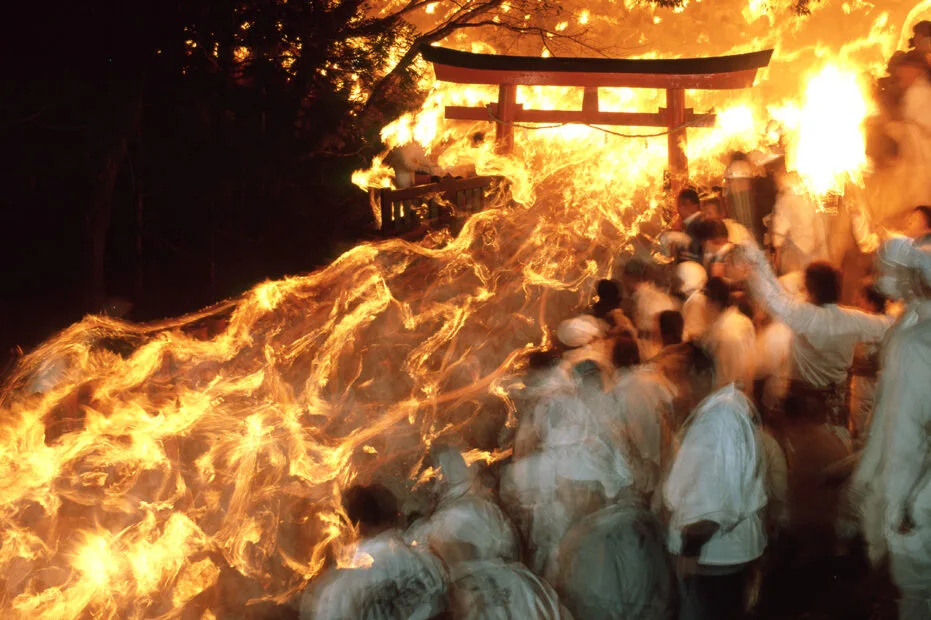
The greatest feature of the Oto Matsuri is its “tolerance.” Anyone who can don white ceremonial robes and carry a torch can participate as an “agari-ko” (ascendant) (*Note: The tradition of excluding women remains in effect today).
Just as the Yamabushi (mountain ascetics) once sprinted through the peaks as a form of spiritual training, this festival is a rigorous “practice.” I believe that this profound openness—the capacity of the land to accept all who come—is the very reason why Kumano has attracted people as a sacred site (seichi) since ancient times.
Seeking Imperturbability Beyond Fear
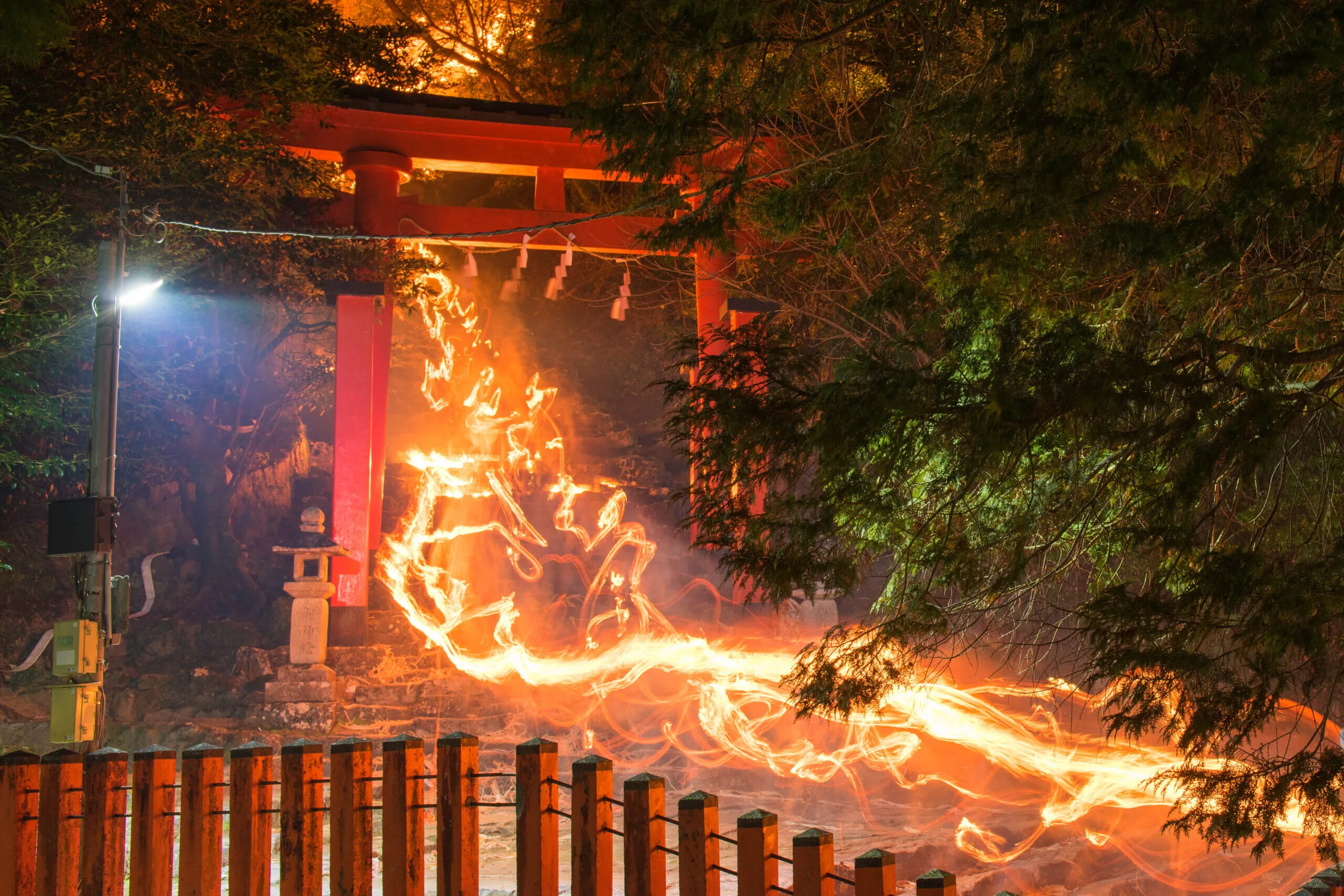
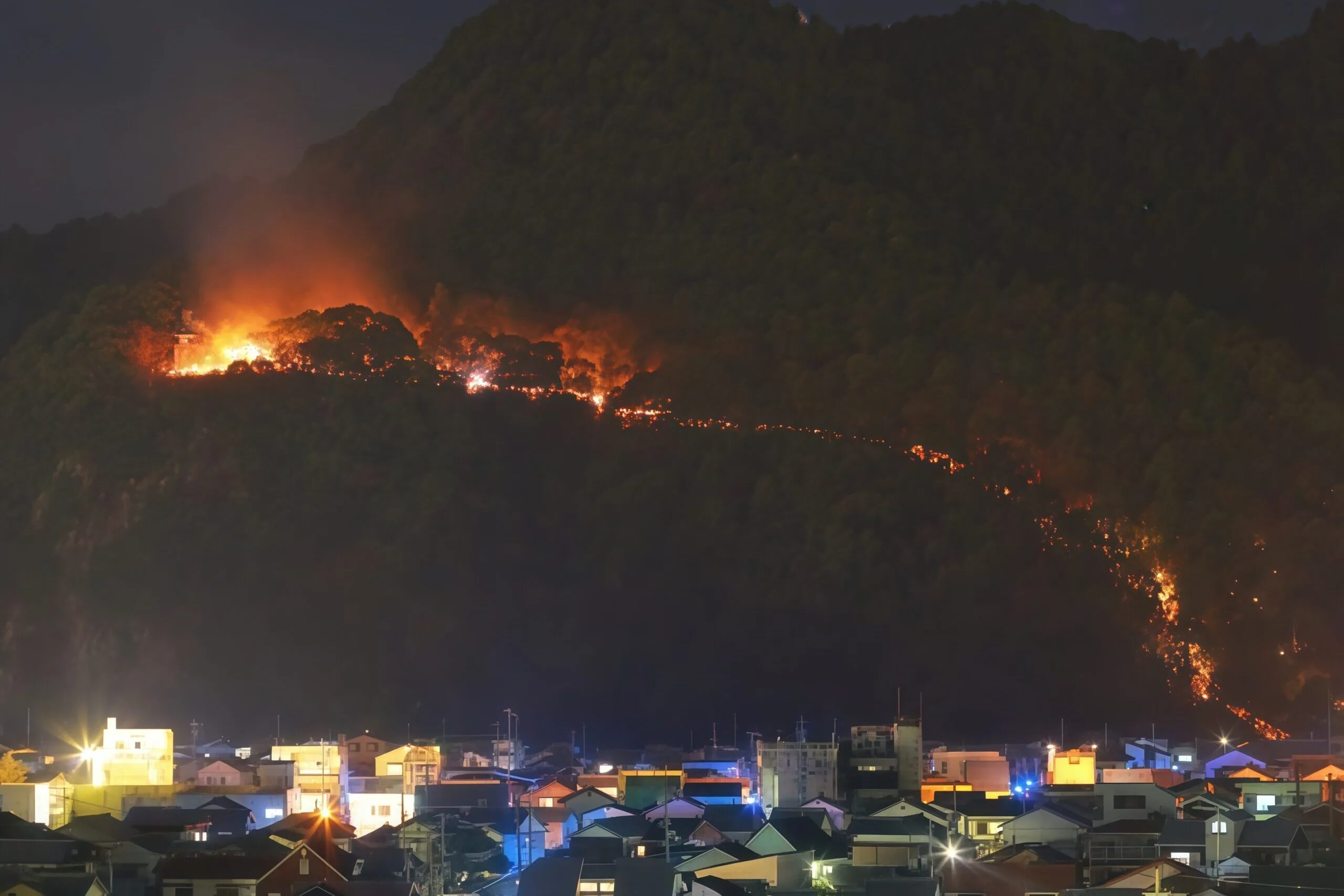
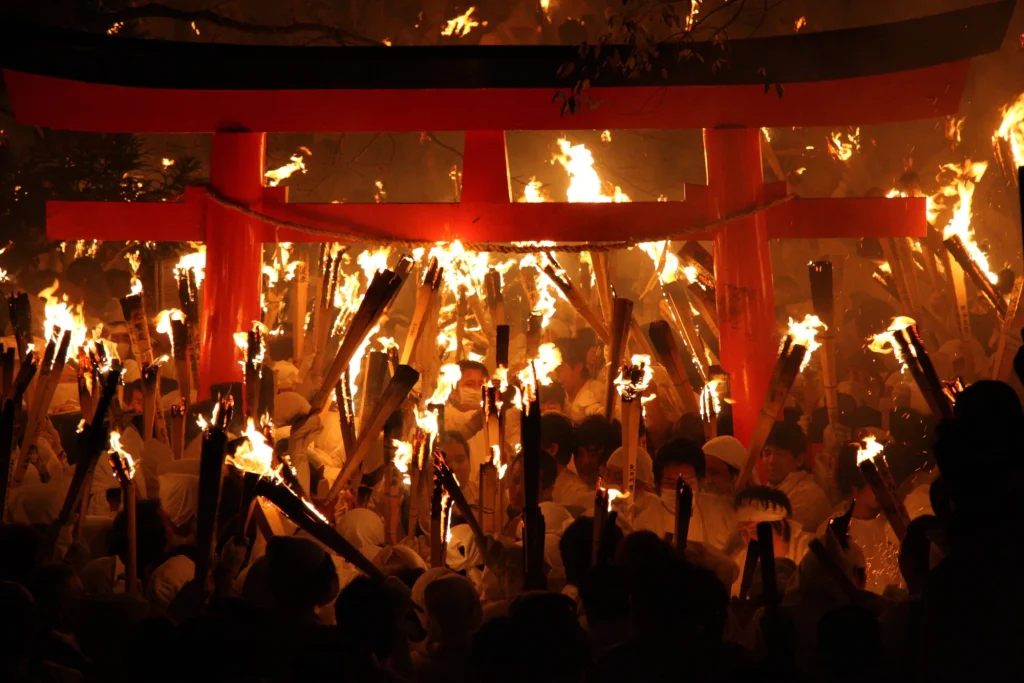
The heart of the festival lies at Kamikura Shrine, specifically the 538 steep, rugged stone steps carved into a precipice. The sight of men clutching flaming torches and charging down the mountain like a “descending dragon” is breathtaking. However, participation involves intense fear—the fear of falling, the searing heat of the flames, and raw, exposed competitive spirits.
Yet, when you face that fear without fleeing and overcome it without losing yourself in the frenzy, you are enveloped in an indescribable sense of accomplishment. You attain Fudoshin—a state of imperturbability where you are no longer swayed by negative emotions such as anger, fear, or jealousy. This ritual serves as a proving ground for the “inner strength” that modern society has begun to forget.
Kannagara: Entrusting Your Day to the Divine
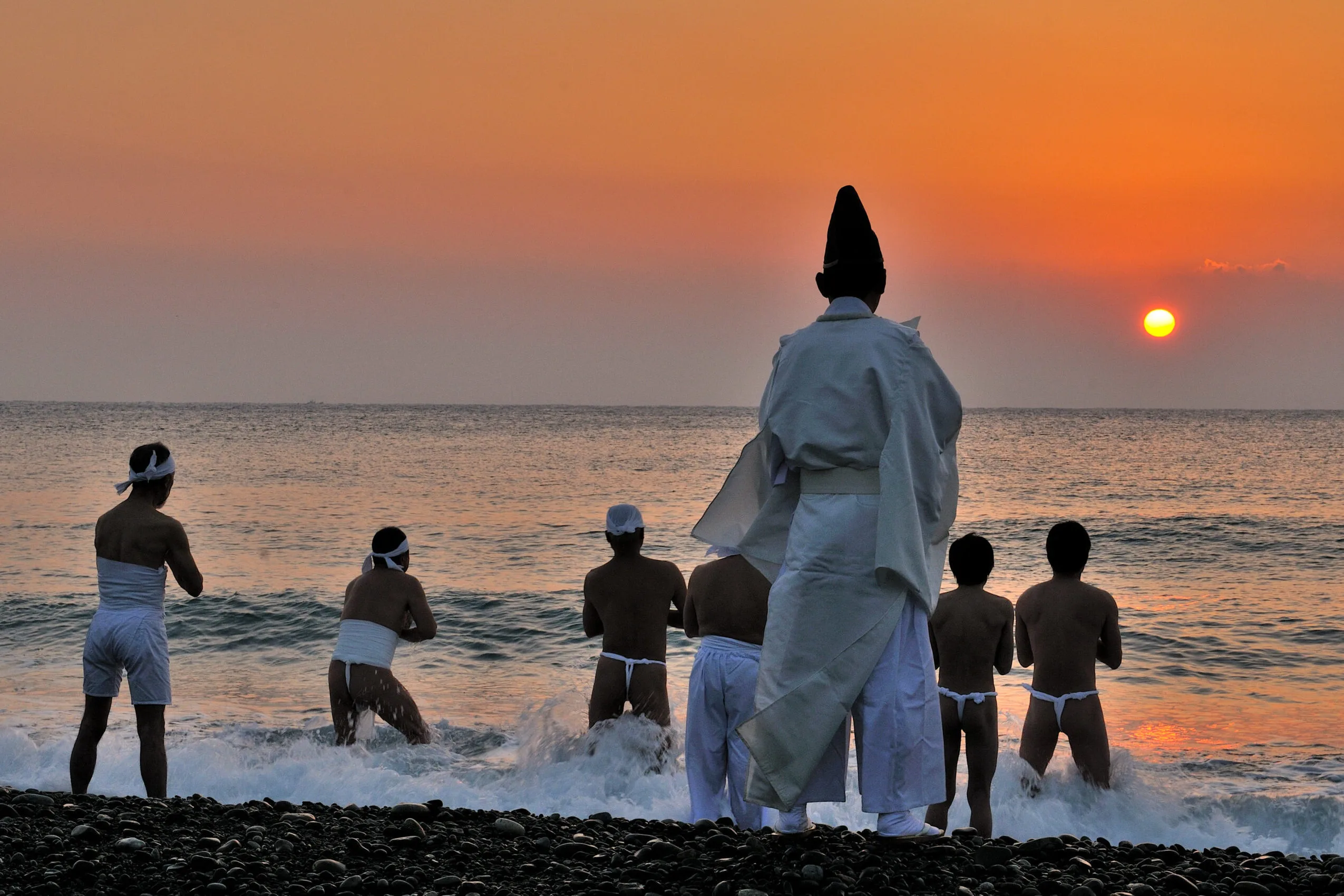
The way one spends the day of the festival is also unique. Each Agariko performs their own Misogi (purification). Some enter the freezing sea, others stand under waterfalls, and some walk the mountains. There is no set form. How you live that day and how you purify yourself is Kannagara—“leaving it to the will of heaven.” Many participants simply rely on their intuition on the day.
Furthermore, to purify the body from within, participants consume only “white foods” such as tofu and white fish. Even the local school lunches turn completely white on this day. This sight symbolizes how the entire city revolves around this single sacred ritual.
Not a Sightseeing Trip, but an Encounter with the “Karma” of Life
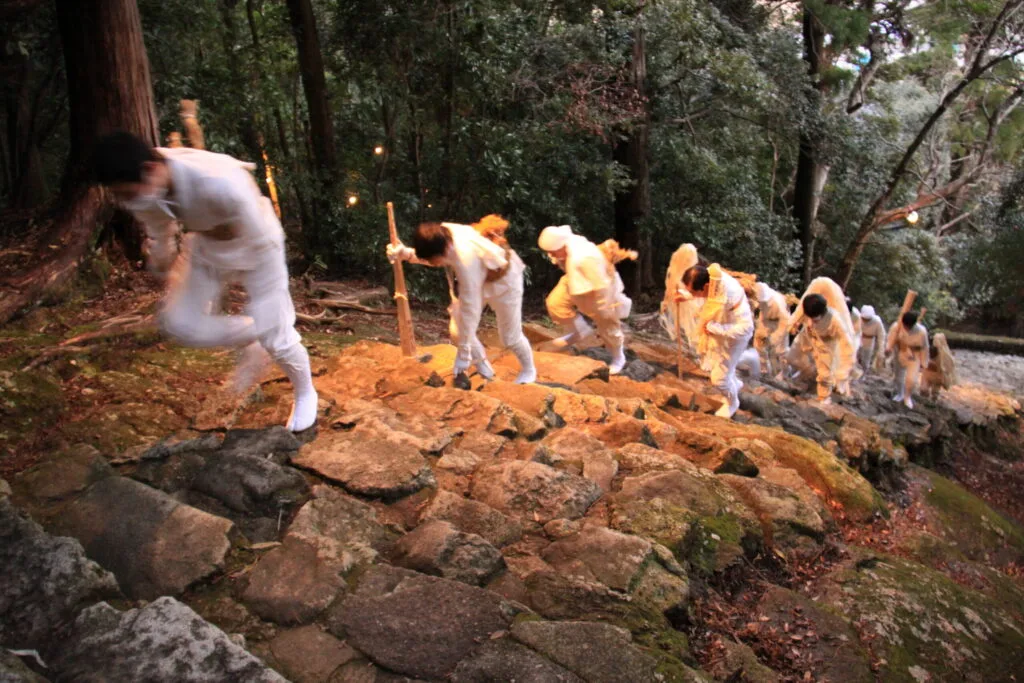
I often compare this festival to the Running of the Bulls (San Fermín) in Spain. In both cases, once you step inside, it is no longer a game; it is a world of Go (Karma) akin to a life-or-death exchange.
If observing from behind the barricades is “tourism,” then donning the white robes and plunging into the vortex of fire is a “life experience.” There is no greater thrill than witnessing what lies at the root of the Japanese soul.
Every year on February 6th, on the mountains of Shingu, I look forward to sharing the “Divine Fire” with all of you.
▼Oto Matsuri Tour
If you are considering joining in the coming years,we invite you to explore the full tour details below.
▼Related Article
We invite you to read the reflections of a guest who joined our 2026 Oto Matsuri Tour.