
Japan is known as a premier winter destination for skiing and snowboarding enthusiasts. It’s true that the very deep, extra-dry powder snow is like no other in the world. Back in the early 1990s, Niseko, Hokkaido, was a hidden gem. Thirty years later, it’s overcrowded, overbooked, and prices have skyrocketed. As a result, Niseko no longer resembles Japan. The foreign invasion is now complete!
In the late 1990s Hakuba, in Nagano (host of the 1998 Nagano Winter Olympics), was also under the radar. It has experienced the same explosive growth, with similar results. So it should be no surprise that the Niseko and Hakuba areas are no longer top destinations for most domestic tourists, whether they be Japanese or foreign nationals living in Japan. I include myself in the latter bunch. Having lived here since 1993, I can tell you about alternative places for a magical winter, with the same JaPow, for half the price. And it’s not all skiing and snow boarding, either—these days, ski resorts have options for non-skiers as well.
So if you’re looking for winter fun in places where you don’t have to wait in line to get into a restaurant, or fight for a spot on overflowing public transport, follow me to these true hidden winter havens.
If you still want to incorporate Niseko or Hakuba into your plans after skiing down the slopes with me, I understand that too—sometimes you just want to be where everyone else is. I’ll give you some time-saving tips on those resorts too.
Hokkaido
Basing yourself out of the small city of Asahikawa (population 320,000), you can hit ski areas that offer plenty of fresh pow, empty slopes, authentic Japanese experiences, and alternative snow sports. Arriving at JR Asahikawa Station, roll your luggage down the heated sidewalk to either the onsen hotel next to the station (where you can steep your body and mind in large tubs of healing hot-spring waters as part of your hotel stay), or choose from the plethora of budget hotels across from the modern glass-paned station. Hire a car to get to the slopes of Tomamu and Sahoro, or catch the ski buses that leave right out in front of Asahikawa Station and head straight up into the magical mountains—no reservations needed. Some even pick up in front of major hotels. Stow your day luggage in the compartment underneath the vehicle and climb aboard for a comfortable coach ride to Asahidake, or Kamui Ski Links, both renown for the deep stuff. These areas and others offer lift-accessible tree skiing and gates into the backcountry for off-piste skiing and riding. Just be sure to wear a helmet, log the emergency rescue number in your phone, and sign in with ski patrol before heading through the backcountry gates—just in case something happens in the consistently unpredictable off-piste conditions.
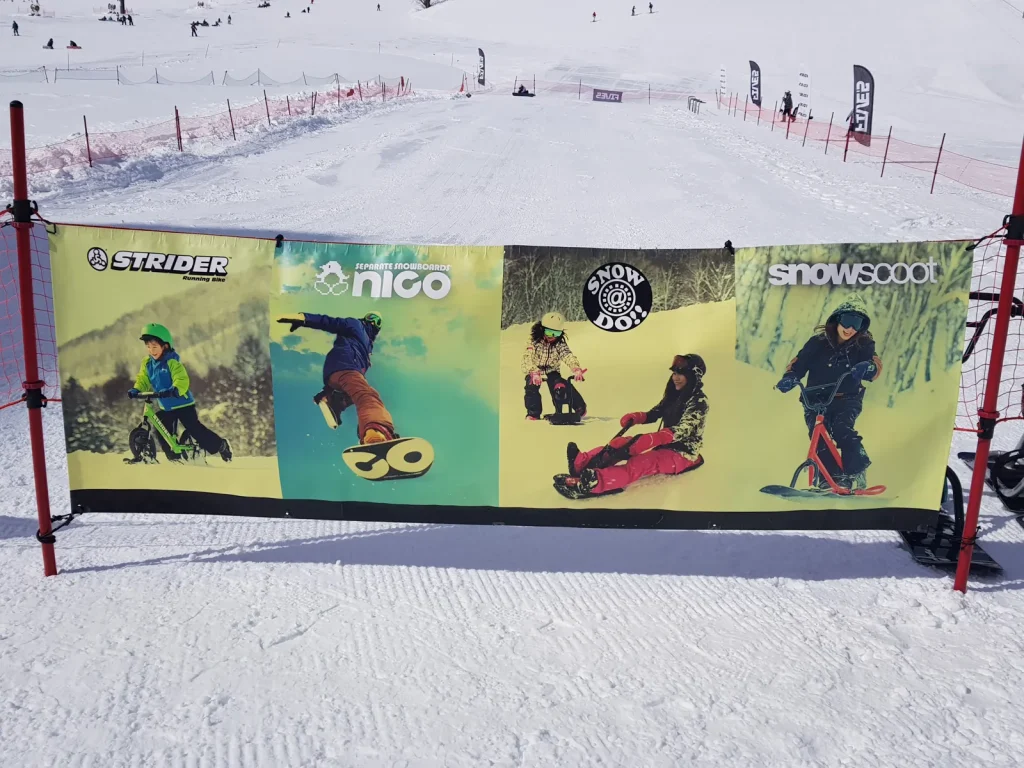
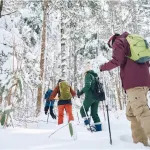
Now for another secret: Japan’s ski resorts offer activities beyond skiing and snowboarding. Consider snow karts, children’s parks for sledding or inner-tubing, and even swings for Instagrammers to fly through the air with a backdrop of snowy mountains. Dedicated scenic viewing platforms have been built at the top of some slopes, which can be accessed by hikers or photographers in regular footwear by hopping on a chairlift, gondola, or tramway — an adventure in itself. You can even go snowshoeing through the quiet, pristine forests — in the moonlight!
At Tomamu, in addition to ski-in/ski-out accommodation, on offer is an Ice Village, ice bar, onsen, and a “Frost Tree Terrace” that allows you to watch the phenomenon of “frost trees” (fog freezing onto tree branches), which occurs when the temperature ranges from -2°C to -10°C. There’s even a winter glamping option in geodesic domes.
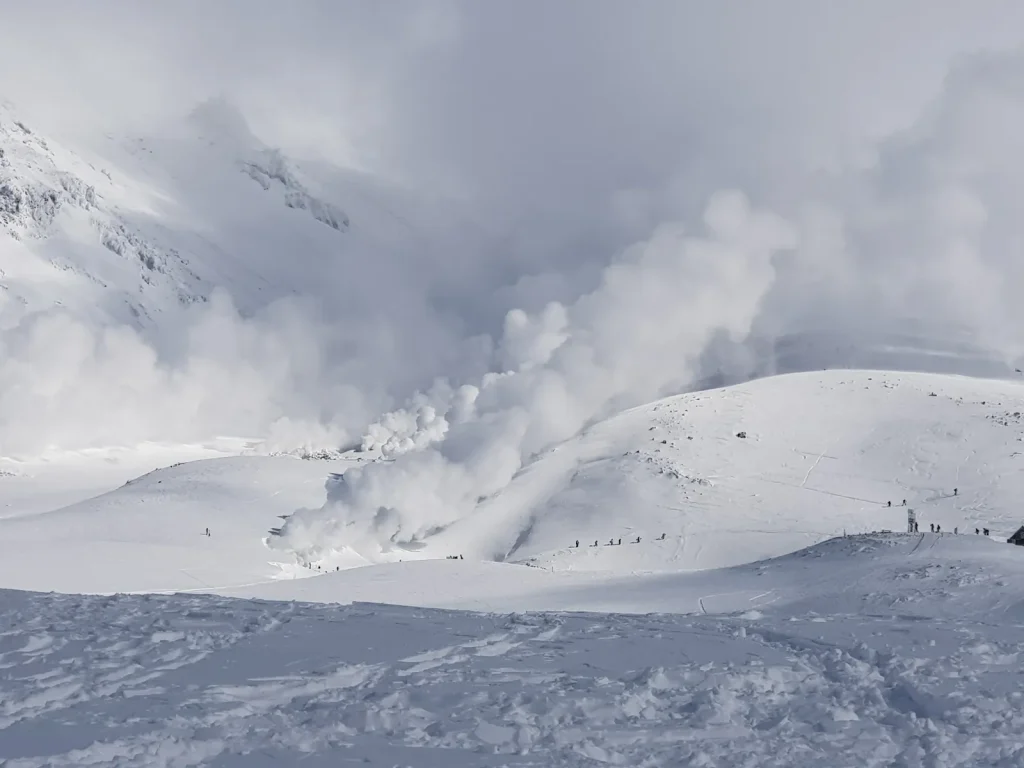
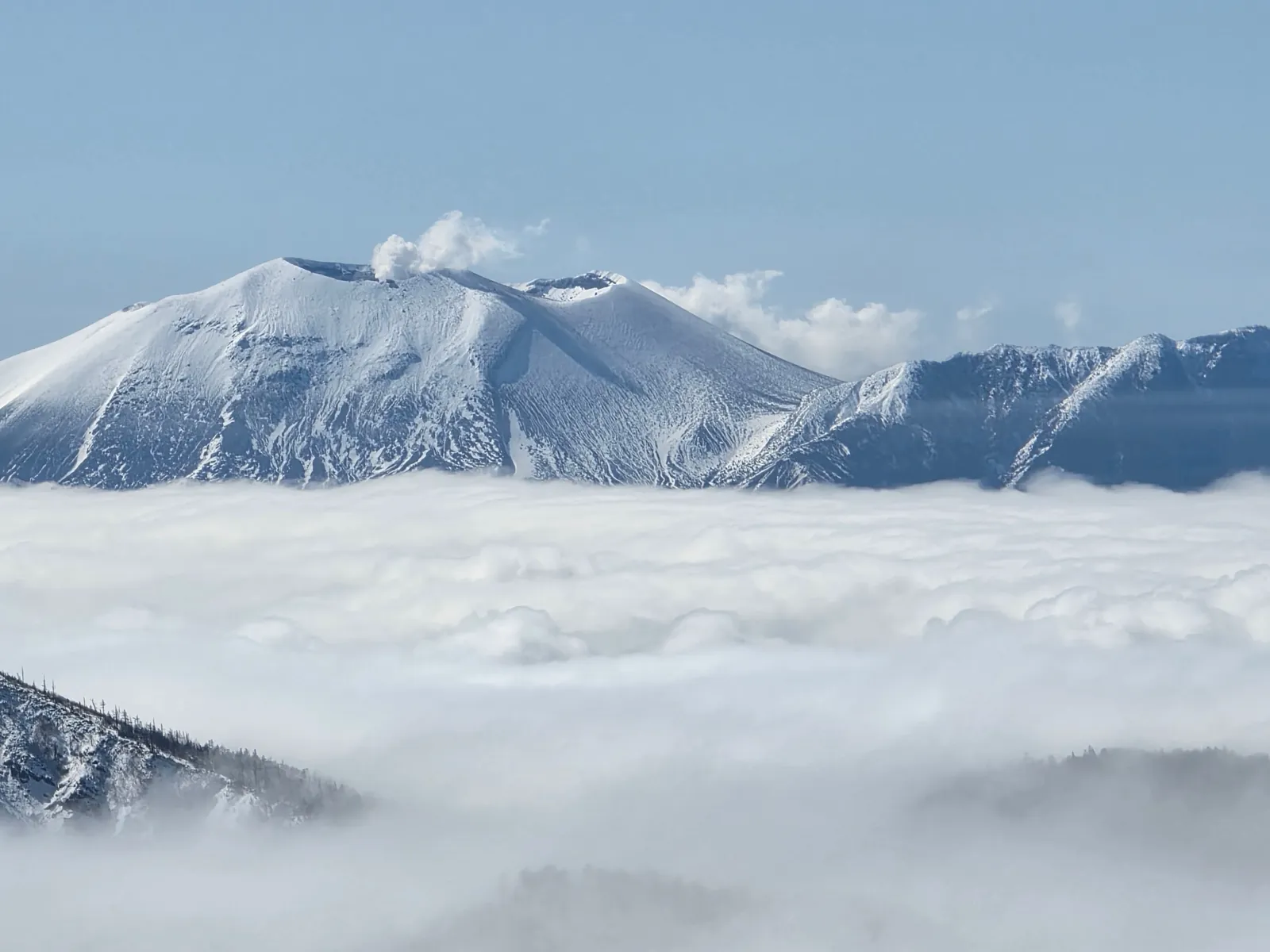
Asahidake, Hokkaido’s highest mountain (2,291m), is a live, smoking volcano. It is popular in summertime as hikers and photographers take the tramway to mid-mountain for the views and then hike to the summit. In the winter, they open the tramway again to accommodate skiers, boarders and snowshoers, who can walk near the live fumaroles with a guide. The mountain sometimes closes due to poor visibility, but should it shut down, walk over to the Visitor Center which offers information about the Asahidake National Park and its stratovolcano activities.
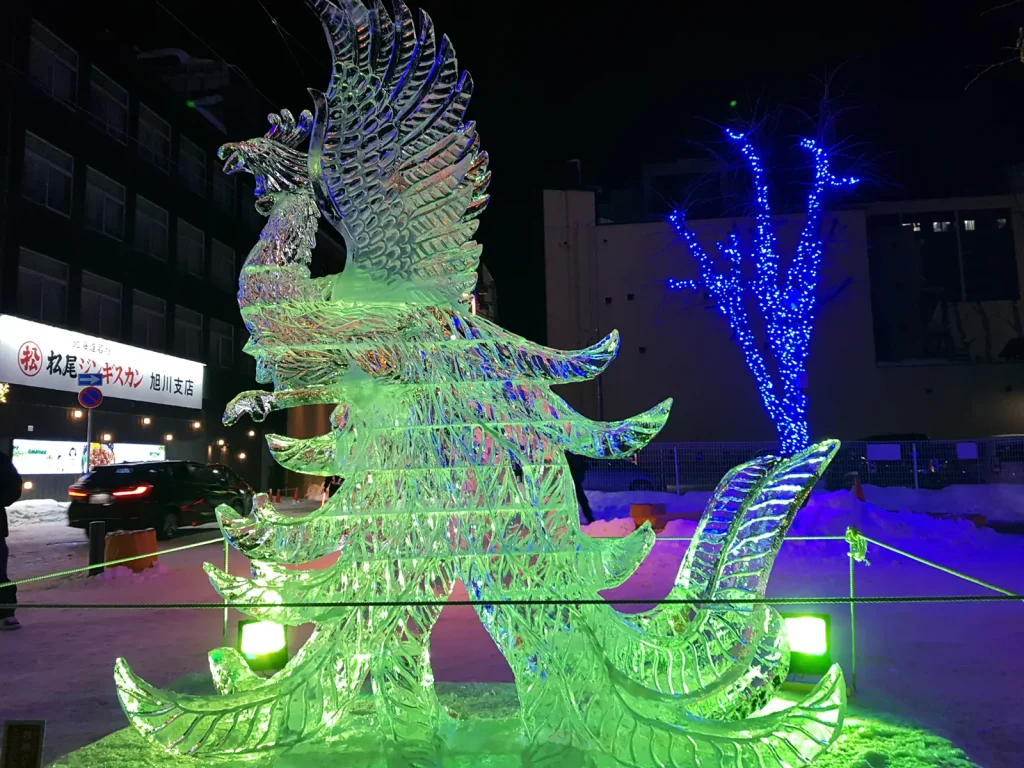
Back to your hotel in Asahikawa, check out the annual ice sculpture contest (held in February) when the sculptures along the main pedestrian mall are lit up with colored lights.
As you catch a ride to Kamui Ski Links—the closest full scale resort to Asahikawa—watch as the flakes pile higher on the sides of the road until you’re almost in a tunnel. Once there, strap on your board or skis, or rent a snow kart to glide down the gentle green trails from top to bottom.
Keep in mind that you can use this same strategy in Niseko. Base yourself in Kutchan instead of the overcrowded town of Hirafu, and take the bus. You’ll have more options this way, allowing yourself to get off at Hanazono, Hirafu, Niseko Village, or Annupuri. Rental cars are available in Kutchan, and having your own wheels enables you to hit even more ski fields, such as Niseko Moiwa and Rusutsu — especially important for first tracks after a major overnight dump.
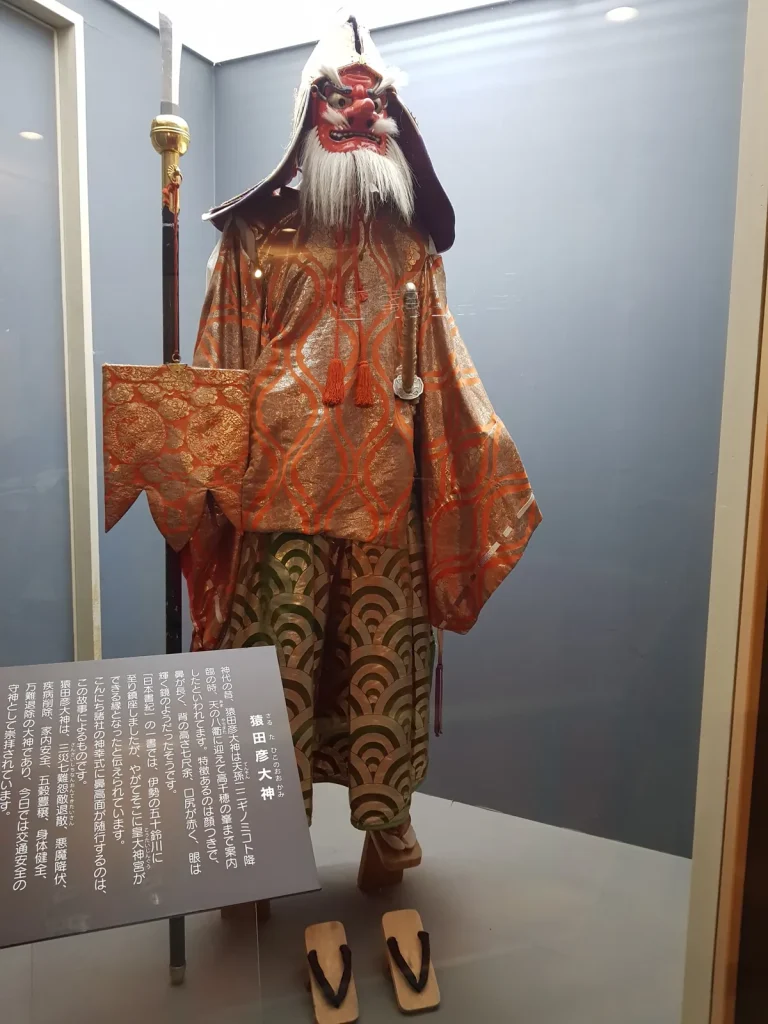
Don’t miss a couple of days in the city of Otaru, to the west of Sapporo. The ski fields are smaller, but they also get a lot of powder, and you can stay in the nearby onsen town of Asarigawa for some family skiing. From there grab a bus to Tenguyama Ski Resort, where skiers and non-skiers can take the tramway to the top and enjoy a meal at the sky café and a look through the free “Tengu-no-Yakata” exhibition, which displays items related to tengu folklore. Check out a model of the particular a long-nosed mountain goblin Tenguyama is named after.
Upon leaving Otaru via the train station, check out the incredible live fish market that trails down a laneway to the right. Grab a fresh lunch there before you leave.
Nagano
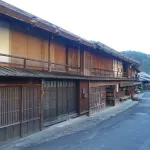
If you decide to go to Hakuba, south of Hokkaido on Honshu, base yourself in the small town of Omachi, which enthusiastically welcomes international tourists with cultural events such as sake tasting and traditional food sampling. When arriving at JR Shinano-Ōmachi Station, with its angular, peaked roofline designed to evoke the surrounding mountains, look off to your right and you’ll see a Showa-style, old-timey shotengai (shopping street) where you can discover funky coffee shops and local restaurants. Don’t forget to peek down the side streets. You’ll likely be the only foreigner around!
In front of Omachi Station, there’s a business hotel that also has thermal waters you can submerge yourself in at the end of each day. The next morning, after breakfast at the hotel, walk 100 meters straight to the train platform to board the local train for a roughly 35-minute ride to Hakuba. Called “one-man densha” (referring to the fact that its operated by a single driver with no conductor), these trains are lightly used, since most locals get around by car. The slowly rocking carriage will wind past picturesque lakes and quiet forests, so keep an eye out for the Japanese serow (kamoshika) sauntering through the trees. These short, shaggy, goat-like creatures have piercing black eyes and—get this—beards! Have your camera ready. (If you miss them, you can see both live and taxidermied versions at the Alpine Museum in Omachi, a short cab ride from the station).
When headed to any of the ski areas just outside Hakuba that are included on the Hakuba Valley All-Mountain Pass, take this same train—an astute way of avoiding the Hakuba Valley shuttle bus, which can be jam-packed, time-consuming, and difficult to navigate. (Also, the shuttles aren’t free if you buy a lift pass for just one resort.) Disembark at the station nearest your ski area of choice, and hop into a taxi for a 10–20 minute drive, door to door.
Non-skiers can board the coach to the Tateyama Kurobe Alpine Route from the front of Shinano-Ōmachi Station. The road is famous for giant snow walls that tower up to 20 meters high on each side (road only open from mid-April).
When you’re ready to leave Omachi (if you ever are), buses to Nagano Station depart from stops across the street from the train station, next to the entrance to the shotengai shopping street. From Nagano, the Shinkansen connects you to Tokyo, with onward transfers available to Narita or Haneda airports.
Impressive in it’s own way is Shiga Kogen, south of Hakuba, which includes 18 ski areas, 16 of which are seamlessly linked by ski trails. With so much terrain, ski-in/ski-out is the norm for accommodation. The area is a bit of a throwback, and most of the skiers and riders are local Japanese, which makes Japan’s largest interconnected ski area a truly authentic experience.
For non-skiers, or those who just want a day off the slopes, catch a bus to the Snow Monkey Park, where you can see monkeys blissfully bathing in the hot springs.
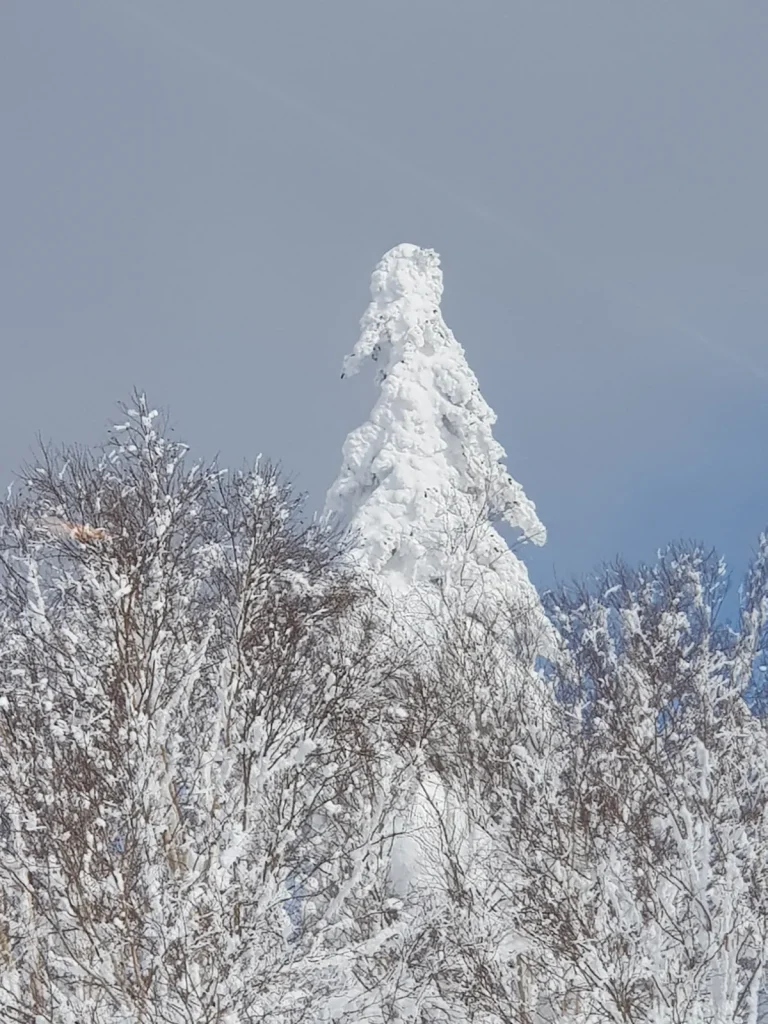
Shiga Kogen also offers night “snow monster” tours: ride in a snowcat (a snow-grooming vehicle equipped with treads) to see these comical-looking pine trees, laden with so much of the white stuff they look like monsters glowering in the shadows.
But the well-kept secret of Shiga Kogen is the place most people neglect to go to: Shibutoge/Yokoteyama, part of a group of connected resorts (with Kumanoyu) that sit to the southeast of the main mountain range and thus require a 30-minute shuttle bus ride to reach. Aboard the local, I heard some locals conjecturing that they’d be able to see Mt. Fuji from the top that day.
I boarded the only lift at the bottom, Sky Lift #1, which was quite an overstatement since the chair lift was very low to the ground. Upon reaching the top of this lift, I had to ride another, named equally disconcertingly, Sky Lift #2. Several hikers and photographers got off and walked in their shoes to an area from which they took photographs of the mountains. I was tempted to stop too, but was wildly anxious to get to any flake of remaining virgin freshies so I continued to—you guessed it—Sky lift #3.
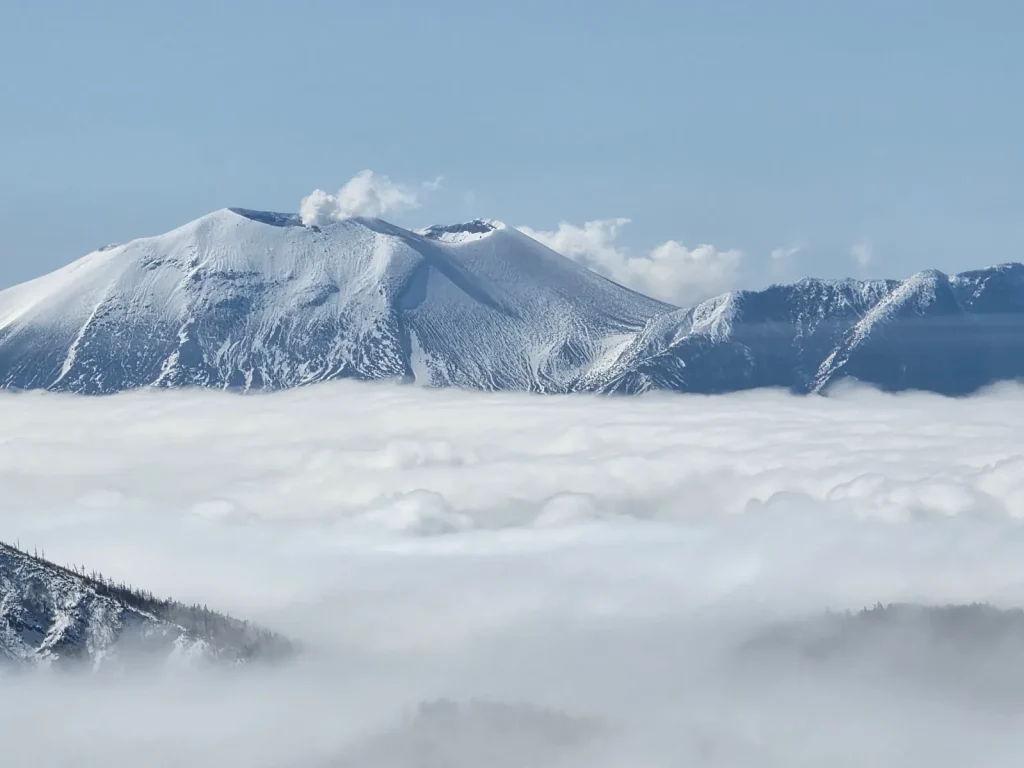
Half-way up this last lift, I took a casual glance behind me and was absolutely stunned at what I saw. My pulse quickened, my spine tingled, I sat there mouth agape: The most beautiful mountain scenery I had ever, ever seen. An entire wall of gargantuan pearl white peaks, stretching for miles and miles, towering and majestic, dignified. Then, quite suddenly, there were clouds below me: I was now above the clouds! In the far distance I could see the triangle poking through—Mt. Fuji. But more impressive, more gobsmacking gorgeous (sorry Fuji-san!) was a smoking volcano that was so close I could almost touch it. Sky Lift indeed!
Now at the top of Mt. Yokote, at 2,307 meters, after gawking a bit more at the mountains and taking photos and video, I skied past a group of snowshoe guides waiting for early risers. I spent the rest of the day amid this spectacular scenery, which looked like mounds of chocolate capped with white snow, cascading down in rivulets.
Niigata Prefecture
Myoko, like Hakuba, is another winter destination that can be reached from an outlying city— this time Joetsu. Board the Echigo Tokimeki Railway’s Myōkō Haneuma Line from Joetsu-Myoko Station (a stop on the Hokuriku Shinkansen) to arrive at Myoko-Kogen Station, from which you can painlessly catch shuttle buses to at least nine of the surrounding ski fields on the Mt. Myoko All Mountain Pass. Joetsu is also the birthplace of Japanese skiing (1911), so be sure to include a pilgrimage to the Japanese Ski Memorial Museum and visit the Theodor von Lerch statue that overlooks Joetsu City below.
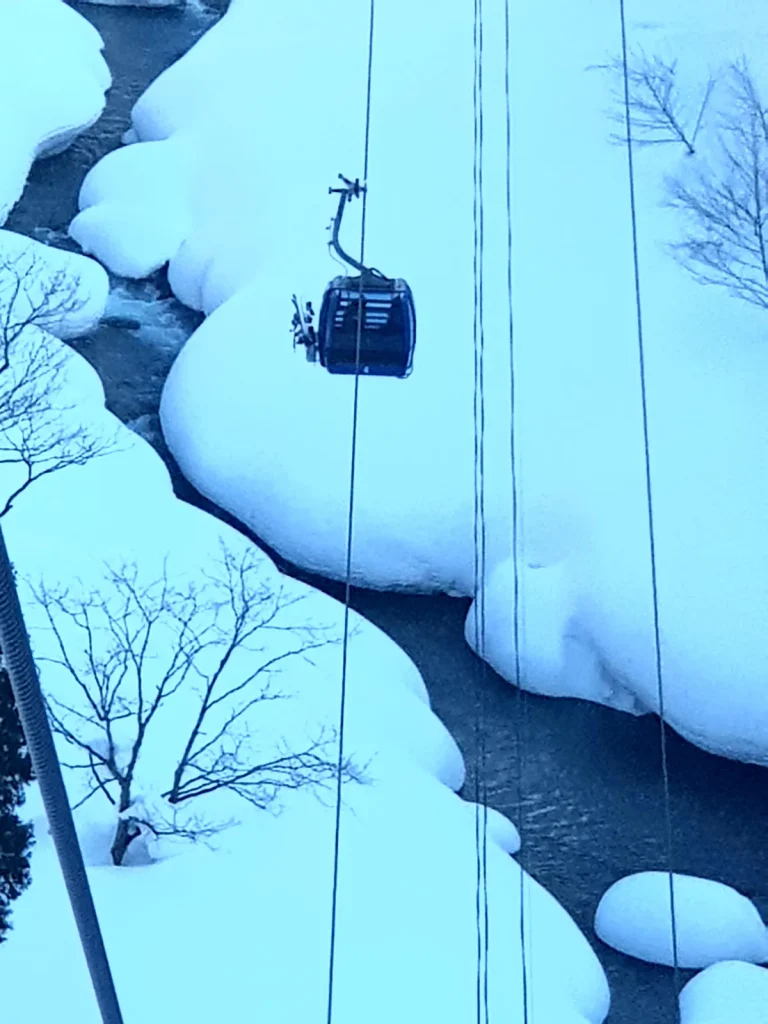
The small walkable town of Yuzawa is where Kawabata Yasunari based himself while writing his novel Snow Country—part of the body of work that earned him Japan’s first Nobel Prize in Literature. This hot spring town, which offers five free public baths, also boasts the Yasunari Kawabata museum just behind JR Echigo-Yuzawa Station (another shinkansen stop). You can walk to some slopes from the train station, or choose to board a coach bus to Naeba Ski Resort, which is linked via the Dragondola to Kagura Ski Resort, another large area comprising three separate ski fields. At the bottom of the Naeba side, there’s a horizontal lift called the Dragondola (a gondola) that takes skiers and riders as well as pedestrians across a valley for 5.5 km. When it opened in 2001, it was the longest gondola in Japan, and remains one of the longest in the world. It’s a magnificent journey as you peer through your bubble passing straight over undulating hills of drifts and forest, about 20 minutes each way—an absolute joy for skiers, snowboarders and non-skiers alike.
Should you happen to be doing winter activities at the end of the season, don’t miss the chance to hop a ferry from Joetsu to historic Sado Island. Ferries stop for the winter but start running again in late April.